




Think your water is safe just because it looks clean? If you rely on well or even city water, invisible microbial threats like E. coli, Giardia, and Cryptosporidium might still be flowing through your tap. The truth is—chlorine can’t always neutralize these tough pathogens. But a powerful ultraviolet water purification system can.
Would you like to take a look at it? Well, this post will detail out the same for you -
Why Should You Be Concerned?
Pathogen outbreaks aren’t just rare accidents. They’re real, frequent, and deadly when water disinfection fails.
|
Pathogen
|
Infection Caused | Chlorine Resistance | UV Sensitivity |
|
E. coli
|
Gastrointestinal illness | Moderate | High |
|
Giardia lamblia
|
Diarrhea, cramps | High | High |
|
Cryptosporidium
|
Severe diarrhea | Extremely High | High |
Ever heard of the Milwaukee 1993 outbreak? Over 400,000 fell ill. The culprit? Cryptosporidium—which chlorine couldn’t kill.
What Is UV Water Treatment?
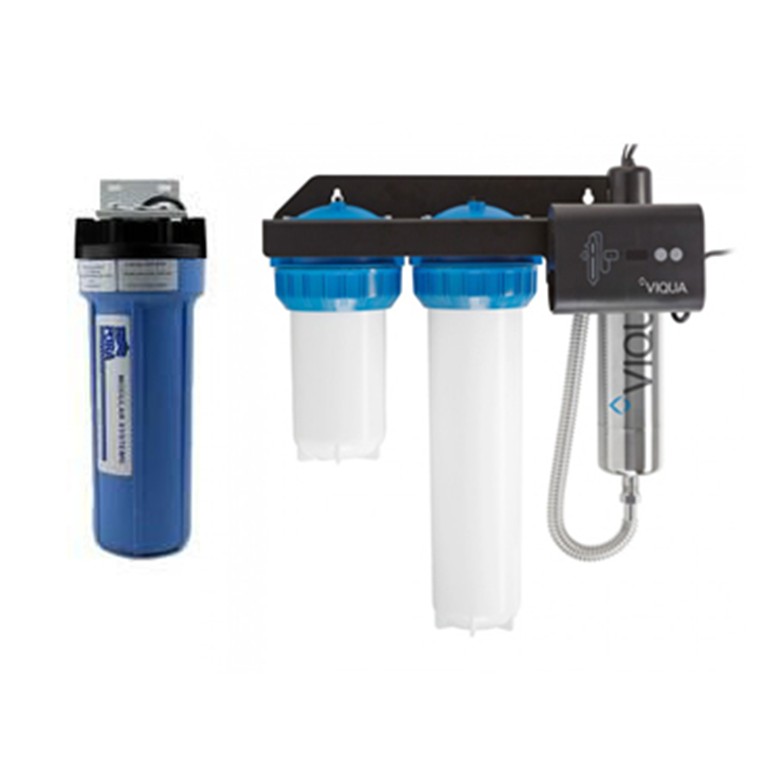
Let’s clarify: a UV water treatment system is a post-filtration disinfection stage. It doesn’t filter particles—it neutralizes harmful microorganisms after the water has already passed through sediment and carbon filters.
This means you’re not just removing visible debris—you’re stopping what you can’t see: DNA-level threats.
How Does UV Actually Work on Pathogens?
UV-C light (specifically at 254 nm wavelength) penetrates the microorganism’s cell wall and damages its DNA or RNA. This prevents replication. If the cell can’t reproduce, it dies off naturally and becomes harmless.
And no chemicals are involved. So, no toxic by-products. But is UV alone enough? Keep reading.
Why E. coli, Giardia & Crypto Are So Hard to Kill?
Let’s be blunt: these aren’t your average germs.
● E. coli can survive mild chlorination.
● Giardia forms cysts that resist chemical disinfection.
● Cryptosporidium is nearly chlorine-proof.
But they’re no match for UV. Studies show UV doses between 5-15 mJ/cm² can inactivate >99.9% of these organisms.
But what if your UV system isn’t sized right? Underexposure means survival. This is why engineered systems matter.
How UV Fits Into a Total Water Treatment System?
Here’s how a multi-stage setup typically looks:
[Pre-Filtration] ➜ [Carbon Filter] ➜ [Sediment Filter] ➜ [UV Disinfection Unit] ➜ [Clean Water Output]
UV disinfection must be the final step. Any particles in water can shield bacteria from the UV light. That’s why pre-filtration is critical.
Real-Life Failures—And How You Can Avoid Them
● Milwaukee, 1993: Crypto in drinking water sickened hundreds of thousands.
● Walkerton, Canada, 2000: E. coli in untreated well water killed 7 and infected over 2,000.
Both could have been avoided with proper disinfection—especially UV sterilization placed after filtration.
UV Disinfection: Effective, Fast & Chemical-Free
So, why choose an ultraviolet water purification system?
● No chemical taste, odor, or by-products
● No handling of hazardous materials
● Immediate kill of bacteria, viruses, and protozoa
● Low maintenance and energy-efficient
And when it comes to reliable systems—Aqua Science is here to meet all your water solution needs with expert-designed, customized water systems that perform under real-world conditions.
Common Queries—Answered Simply
Do ultraviolet water purification systems work?
Yes—UV systems destroy over 99.99% of harmful microorganisms like E. coli and Cryptosporidium, making water microbiologically safe.
What is ultraviolet water treatment?
It’s a chemical-free method that uses UV-C light to damage the DNA/RNA of microorganisms, preventing them from reproducing.
How does a UV water treatment system work?
Water passes through a chamber where UV-C light sterilizes pathogens. It’s placed after filtration to ensure maximum exposure and effectiveness.
One Last Thought—Are You Just Filtering, or Truly Disinfecting?
Filtering alone won’t stop Giardia or Crypto. If your current setup skips UV, you’re leaving the door wide open to resistant pathogens. Make the upgrade—because safe water isn’t optional.
Need help designing the right UV system for your home or facility? Let Aqua Science help you do it right the first time.


Validate your login