






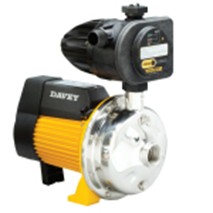
You have probably noticed how fast the topic of pressure-steady water systems is trending, and for good reason. When your home water booster pump runs with the right engineering balance, you get stronger pressure, lower energy use, and far less system strain. This is where the real advantage begins, and it is often bigger than most property owners expect.
Here’s to knowing the details about the same -
Why does the right booster setup change everything?
You might think more pressure means more power drain, but modern boosters work differently. They use calibrated flow curves and smart motor efficiency to cut water waste and reduce runtime.
When pressure stays steady, the pump does not sprint, pause, and sprint again. It runs in clean, controlled cycles that save power. This is the first surprising facet that many people never see coming.
And here is the second one. Stable pressure often means valves last longer, which reduces hidden maintenance costs. The third surprise is that well-balanced boosters protect downstream treatment equipment, which keeps your overall system healthier, longer.
How consistent pressure actually lowers consumption?
You may ask how stable pressure reduces energy when the pump is still working. The answer lies in how water moves through your lines. A booster built with proper sizing, variable-speed logic, and tuned motor load avoids pressure drops that trigger sudden high-amp surges. These spikes are the real energy thieves.
When your home water booster pump runs smoothly, the flow stays laminar, friction loss drops, and the system uses less electricity with every minute of operation. Keep reading, because the next point might change how you view your entire water setup.
What must your setup get right for real energy gains?
A booster is only as strong as its installation. You need the right suction conditions, balanced flow curves, proper head pressure, and the right control logic. Many setups miss at least one of these, and that is exactly where energy waste begins.
To help you see the essentials more clearly, here are the core factors that matter most -
● Correct pump sizing for actual demand
● Balanced flow matching between fixtures
● Right motor efficiency class
● Nozzle and piping alignment for smoother flow
Once you have these elements working together, you get pressure that feels strong but does not punish your power bill. And here is a cliffhanger for you. If your system is cycling on and off too often, the solution may not be what you think.
Why does runtime matter more than horsepower?
It is easy to get caught up thinking horsepower is the heart of performance, but runtime is the real metric that reveals efficiency. A booster that runs longer at lower load often uses far less energy than one that blasts at full speed and shuts off. This steady-state performance is what cuts stress on your fixtures and keeps your water delivery reliable. But wait until you see how this ties to your long-term system health, because the final link may surprise you.
Where engineering meets real-world savings
At Aqua Science, you get expert designs built from decades of advanced engineering, premium components, and real on-site insight. Whether you are using a water hose booster pump for outdoor applications or a full indoor pressure system, you get a setup shaped around performance, savings, and easy day-to-day operation.
And when your home water booster pump works in harmony with your treatment system, the difference shows up in your water quality, your equipment life, and your energy bills.
As you look forward to Thanksgiving, this may be the moment to upgrade to a smarter booster setup that gives you cleaner flow, steadier pressure, and lower energy use. A small change today can make your entire water system feel better tomorrow.
FAQs
How does a water hose booster pump work?
A water hose booster pump increases pressure by pulling water through the inlet and pushing it out at a higher force using an efficient motor and impeller. It stabilizes outdoor flow so your hose delivers steady, strong pressure for any task.
What size water booster pump do I need for my home?
The size of a booster pump for your home depends on your incoming pressure, fixture count, peak demand, and required flow rate. You need a unit that matches your system’s total pressure needs without overloading your lines or wasting energy.
How does a home water booster pump work?
A home water booster pump works by sensing low pressure and adjusting its speed to deliver steady, consistent flow. It reduces pressure drops, prevents cycling, and keeps water moving smoothly through your plumbing for a stronger, more reliable supply.


Validate your login