




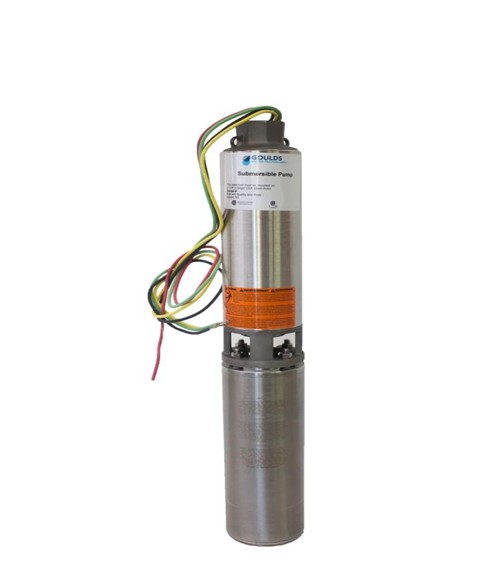
You can think of a pump curve like a weather forecast. When you read it right, you know exactly what to expect. When you don’t, everything goes off track! And that is why so many systems with water well pumps fail early. The curve tells the whole story, yet most people skip the details that matter. Let’s walk through it clearly so you avoid those expensive missteps.
Why Do Pump Curves Feel So Confusing To You?
You may look at a pump curve and wonder why it feels like a puzzle! The truth is that it only shows how the pump behaves as pressure and flow change. When you understand that simple idea, the rest becomes clear. And if you rely on water well pumps, reading these curves the right way prevents damage, stops cycling, and protects your investment.
How Flow And Head Work Together To Shape System Output?
Flow shows how much water you move. Head shows how much force your pump must push against. When either number is off, the whole system feels the impact.
Let’s share a quick analogy. Think of the head like climbing stairs while carrying a bucket. The more stairs you climb, the more effort you need. Your pump feels that same strain through friction and pressure.
Where Efficiency Zones Make Or Break Your System
Every pump has a high-performance zone where everything runs smoothly. Step too far away from that point and the pump begins to overheat and struggle. One industry expert once said, “…when a pump is sized wrong, you hear the noise long before you see the failure.” And that comment sums up why many systems burn out too soon.
Why Misreading Curves Causes Oversizing And Cycling Problems?
Oversizing may look safe because it gives you more power than you think you need. Yet it drives the pump outside its ideal zone, which leads to overheating and short run cycles. When this happens, you lose efficiency and shorten the pump’s lifespan. This is one of the biggest reasons water well pumps fail faster than expected across residential, commercial, and municipal settings.
How Friction Loss Math Protects Your Pump Investment?
Even simple pipe runs create resistance. When you ignore friction loss, your pump ends up working harder than you planned. That extra effort steals performance and raises energy use. When service is needed, experts use tools like a water well pump puller for safe inspection so your system stays protected.
A Real Customer Story That Explains Everything
A facility manager told our experts, “We kept replacing pumps because they ran hot and shut off. Once Aqua Science explained the curve, we fixed one number and solved five years of problems.” Their reaction says it all, because these mistakes hide in plain sight, and once corrected, your entire system runs smoother.
How Aqua Science Supports Every Stage Of Your System?
Aqua Science is there to cater to all your water solutions related demands with engineered designs, precise pump-curve analysis, and premium-grade system components. When you understand how these curve details work, you avoid oversizing, you prevent wear, and you build a system that responds exactly the way you want it to.
Why Understanding Your Curve Helps You Avoid Failures?
Once you learn how head, flow, friction, and efficiency connect, the whole process feels simple. You stop making blind guesses. You stop oversizing pumps. You stop fighting cycling problems. And most of all, you gain a system that works with you instead of against you.
Aqua Science - Engineered Water Solutions That Work Every Day
FAQs
How to pull up a pump from a well?
You lift a pump by disconnecting power, securing the drop pipe, and raising it section by section with safe, steady support. Many systems use a mechanical tool to handle the weight and prevent pipe damage during removal.
How does a water well pump puller work?
A pump puller grips the drop pipe, applies a controlled lifting force, and guides the pump upward without bending or stressing the pipe. It reduces manual strain, improves safety, and keeps the pump centered as it is pulled from the well.
How do I choose the right water well pump?
You select the right pump by matching your required flow, total head, pump curve, plumbing layout, and efficiency zone. Reviewing friction loss, well depth, and system demand ensures you pick a pump that runs stable and performs long term.


Validate your login