The store will not work correctly when cookies are disabled.
Join the Aqua Science Insiders Club
42 years of Expertise in Engineered Water Treatment and Well SystemsPrice Match GuaranteeLifetime WarrantyThe Largest Selection of Residential Filtration SystemsWell Water Components and SuppliesReplaceable FiltersComplete Water TestingIndustry’s Best BrandsExcellent Tech SupportWater Treatment ChemicalsCustom solutions designed to address your specific needsMost products ship the same day
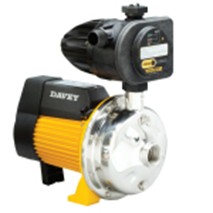
You have probably noticed how fast the topic of pressure-steady water systems is trending, and for good reason. When your home water booster pump runs with the right engineering balance, you get stronger pressure, lower energy use, and far less system strain. This is where the real advantage begins, and it is often bigger than most property owners expect.
Here’s to knowing the details about the same -
Why does the right booster setup change everything?
You might think more pressure means more power drain, but modern boosters work differently. They use calibrated flow curves and smart motor efficiency to cut water waste and reduce runtime.
When pressure stays steady, the pump does not sprint, pause, and sprint again. It runs in clean, controlled cycles that save power. This is the first surprising facet that many people never see coming.
And here is the second one. Stable pressure often means valves last longer, which reduces hidden maintenance costs. The third surprise is that well-balanced
Imagine this. You invest in high-end appliances expecting flawless performance, yet inside those systems, fine particles work like tiny blades. Sediment moves fast, hides well, and quietly drives up repair costs. When you place a whole house sediment filter at the entry point, you create a strong line of defense (against the hidden strain that affects RO membranes, ice makers, dishwashers, mixing valves, and geothermal heat pumps) that shields your home or building’s equipment from early failure. And here is where you begin to see how much protection you have been missing.
As you follow this breakdown, you will notice how damage builds in ways most users never see, and one detail later in this post may surprise you.
Why does sediment wear down your critical appliances so fast?
Sediment hits your RO membrane first. It clogs pores, slows water flow, and forces your system to push harder than it should. What follows is a sharp drop in filtration performance. You also see the story play out
You know that moment when temperatures drop and your water system suddenly feels tired, slow, and stubborn? This is the cold season’s most common challenge! When winter hits, carbon filter media reacts differently, and you start noticing shifts in flow, taste, and overall performance. If you have ever wondered why this happens, you are about to find real clarity.
Why Do Cold Months Change How Your System Behaves?
When the source water cools, organic loads become heavier. This slows adsorption, and your carbon filter media works harder to keep up. Winter often exposes weak points that stay hidden during warmer seasons. You may even catch yourself thinking - Why is the system dragging now ? Wait till you see what actually happens inside the media bed!
How Does Temperature Slow Adsorption Rates?
As water temperature drops, the pores in your carbon filter media respond more slowly to contaminants. This means the uptake of organics becomes less efficient. You might notice breakthroughs earlier
You can think of a pump curve like a weather forecast. When you read it right, you know exactly what to expect. When you don’t, everything goes off track! And that is why so many systems with water well pumps fail early. The curve tells the whole story, yet most people skip the details that matter. Let’s walk through it clearly so you avoid those expensive missteps.
Why Do Pump Curves Feel So Confusing To You?
You may look at a pump curve and wonder why it feels like a puzzle! The truth is that it only shows how the pump behaves as pressure and flow change. When you understand that simple idea, the rest becomes clear. And if you rely on water well pumps, reading these curves the right way prevents damage, stops cycling, and protects your investment.
How Flow And Head Work Together To Shape System Output?
Flow shows how much water you move. Head shows how much force your pump must push against. When either number is off, the whole system feels the impact.







 November 23, 2025
Validate your login