




Case Study: From Low Yield to High Efficiency in Just One Season
In central Arizona, a 400-acre produce farm struggled with clogged irrigation emitters and salt-crusted crop rows. Calcium and magnesium buildup from hard well water was wrecking their drip systems, causing uneven watering and stunted growth. After installing a water softener brine tank, the change was drastic: 21% increase in crop yield, 35% less water usage, and fewer mechanical failures. One season made all the difference.
Let’s give you a glimpse of the details right away -
Why Your Irrigation System Might Be Costing You More Than You Think
Hard water isn't just a nuisance—it’s a silent yield killer. Those minerals, primarily calcium and magnesium, slowly coat your irrigation lines and emitters, reducing flow rates and water distribution. If you're using untreated groundwater or municipal water in an agricultural setup, you're probably paying for inefficiency.
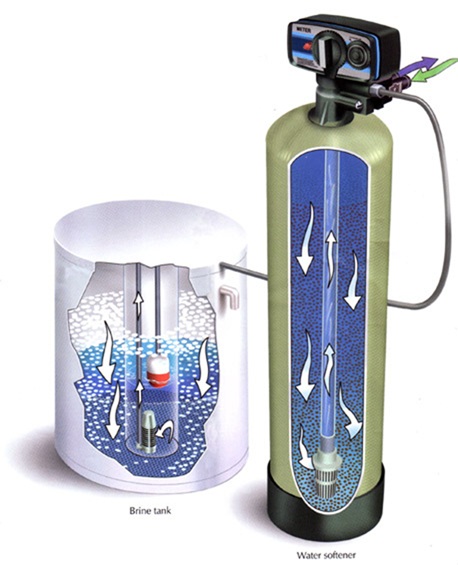
That’s where a water softener brine tank comes in. It powers the water softening process by regenerating the resin bed that pulls out hard minerals. Cleaner water flows through your irrigation system, which means less downtime, less maintenance, and more consistent crop growth.
Think about this:
● Are your emitters clogging frequently?
● Are your crops growing unevenly, even when watering seems fine?
● Are you replacing irrigation parts more often than you should?
If you answered yes, your water might be the culprit.
The Brine Tank Advantage: What It Does for Your Farm
The water softener brine tank is more than just a component—it's the backbone of your water softening system. Here's what it does for your agriculture operations:
Reduces Mineral Scale in Irrigation Equipment
● Prevents blockages in pipes, emitters, and sprayers
● Extends lifespan of pumps, valves, and control systems
● Minimizes equipment breakdowns, saving you on repairs
Boosts Water Efficiency and Crop Yield
● Enables even water distribution to every plant
● Improves soil penetration and nutrient uptake
● Results in healthier root zones and faster plant growth
What If Softened Water Could Slash Your Water Bill by 30%?
Yes, you read that right. With mineral-free water, your crops absorb moisture more effectively—so you irrigate less. The upfront investment in water softening quickly pays for itself.
Sustainability Meets Smart Farming
Water conservation isn’t just a trend—it’s becoming a regulatory requirement. Farms using softened water reduce water waste significantly while keeping chemicals and fertilizers more bioavailable to crops. A soft water brine tank system reduces your ecological footprint and supports long-term soil health.
Could You Be Losing Fertilizer to Hard Water?
Hard water interacts negatively with many fertilizers, binding nutrients and making them unavailable to your crops. A softened system keeps nutrients active—meaning you use less and get more.
The Hidden Cost of Neglecting Water Quality
Here's the real question: How much is low-quality water costing your business each season?
From yield losses and increased maintenance to wasted labor and inflated water bills, poor water quality drains your farm’s profits in silence. Water softening doesn’t just solve a problem—it gives you control back over your operational efficiency.
One Tank. Multiple ROI Streams.
Beyond irrigation, softened water improves greenhouse operations, livestock hydration, and greenhouse misting systems. One water softener brine tank—endless impact.
Tailored Solutions That Deliver Results
Aqua Science is here to cater to all your water solutions related demands. With expert-engineered systems, premium-grade softeners, and hands-on technical support, we customize every water treatment solution for your unique land, crop, and water profile. Whether you're managing 10 acres or 1,000, we make sure your water system works as hard as you do.
Final Takeaway:
Stop letting hard water chip away at your farm’s potential. From enhancing crop yield to protecting your irrigation systems, a reliable water softener brine tank isn’t a luxury—it’s a necessity.
Ready to upgrade your irrigation efficiency and boost yields?
Let’s talk about the right soft water solution for your land. Connect with our experts at Aqua Science today.
Frequently Asked Questions
- How does a water softener brine tank fill?
A brine tank fills during the softener's regeneration cycle. Water enters the tank to dissolve salt, creating a brine solution. Aqua Science systems use reliable, high-quality control valves to manage this process precisely, ensuring efficient resin regeneration for optimal hardness removal. - What happens if too much water is in a brine tank?
Excess water in the brine tank can dilute the salt concentration, reducing softening efficiency. It may also signal a mechanical fault. Aqua Science provides diagnostic support and durable, correctly sized equipment to prevent such issues and ensure proper regeneration performance. - Do you need a brine tank for a water softener?
Yes, if you're using a traditional ion-exchange water softener. The brine tank stores salt and creates the solution needed to regenerate the resin. Aqua Science offers complete systems, including expertly matched brine tanks for peak efficiency and longevity. - How often should you clean your water softener brine tank?
We recommend cleaning the brine tank once a year to prevent salt bridging and sediment buildup. Aqua Science offers guidance and compatible cleaning solutions to keep your system running efficiently and protect your investment.


Validate your login