The store will not work correctly when cookies are disabled.
Join the Aqua Science Insiders Club
42 years of Expertise in Engineered Water Treatment and Well SystemsPrice Match GuaranteeLifetime WarrantyThe Largest Selection of Residential Filtration SystemsWell Water Components and SuppliesReplaceable FiltersComplete Water TestingIndustry’s Best BrandsExcellent Tech SupportWater Treatment ChemicalsCustom solutions designed to address your specific needsMost products ship the same day
Ever noticed staining on your fixtures, foul-smelling water, or sudden equipment failures? These are not just annoying—they’re signs of poor water chemistry. Whether you manage a commercial building, run a municipal plant, or maintain a residential well system, not controlling your water’s chemical balance can lead to a chain of expensive, hazardous issues. That’s where a chemical feeder becomes your most trusted line of defense.
In this post, we will update you on the killer threats that are lurking around, and the range of positives that these feeders bring to the forefront.
The Silent Threats of Poor Water Chemistry
When water isn’t treated with the right mix of chemicals—at the right time—it begins to turn on your system. You may not see the damage immediately, but it’s working behind the scenes.
● Bacterial contamination can quickly spread, risking public health.
● Corrosion silently eats away at your pipes and pumps, reducing lifespan.
Essential Guide to Choosing the Right Well Pump for Your Needs
Introduction to Well Pumps, Submersible Pumps, and Types
Well pumps deliver water from underground sources to homes, including submersible pumps and deep well pumps for reliable water access.
There are three main types of well pumps: Shallow Well Jet Pumps, Convertible Well Jet Pumps, and Deep Well Submersible Pumps, each with unique characteristics. These pumps well are often categorized by their voltage, horsepower, and installation method to match specific water system requirements. Many well pumps use a pressure switch to regulate water delivery or system operation. Shallow well jet pumps and convertible well jet pumps are not submersible, making them suitable for specific applications.
Submersible pumps are ideal for deep water reserves, providing a reliable water supply and replacing traditional bucket and pulley systems.
Understanding the different types of pumps is crucial to ensure permission to access the right information
A well-designed water system requires a properly sized pressure tank to maintain stable water pressure and prevent damage to the well pump. The pressure tank stores water and air to regulate pressure and protect the well pump from damage, ensuring a reliable plumbing system. Understanding how pressure tanks work is crucial in determining the right size and type for your water system needs, including the pressure switch and air pressure. A pressure gauge is used to measure the tank’s air pressure, and the pressure switch setting is critical in controlling the pump’s operation.
Understanding Pressure Switch
The pressure switch is a critical component that controls the well pump’s operation, turning it on and off based on the pressure in the tank. The pressure switch setting determines when the pump turns on (cut-in pressure) and off (cut-off pressure), typically set between 30-50 psi, 40-60 psi, and 50-70 psi. A properly set pressure switch ensures
State agencies to begin PFAS testing & remediation in three northern Rhode Island neighborhoods Homeowners with private wells in targeted neighborhoods in Glocester, Burrillville and North Smithfield will have access to free water testing to screen for PFAS and if needed, funding for remediation through a new state-administered grant program that aims to address the toxic chemicals. The Rhode Island Department of Environmental Management has begun notifying those who qualify.
Chlorine vs. Chloramine: A Tale Of Two Chemistries
Source: Swan Analytical USA
In drinking water treatment’s ongoing battle between disinfection and disinfection byproducts (DBPs), most water utility customers are oblivious to the process. One thing they do notice, however, is when their water smells or tastes bad. Here are some insights that can help water treatment plant (WTP) operators deal with their internal concerns about DBPs and residual chlorine or ammonia levels, as well as their external concerns about customer perceptions of water quality.
Choosing Between Two Approaches
Maintaining a delicate balance among multiple concerns—fluctuating source water contaminants, water purity, DBPs, and residual levels of free chlorine or monochloramine—is what keeps WTP operators awake at night.
On one hand, chlorination has historically dominated in water treatment, providing greater upfront purification, although chlorine levels can dissipate relatively quickly within the water distribution
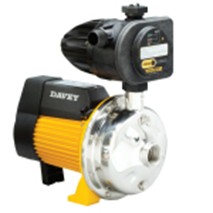
Imagine driving your car with no fuel in the tank. You’re pressing the gas, but going nowhere—just wasting power, time, and potentially damaging the engine. This is exactly what happens when a pressure booster pump runs without water. It draws power, creates heat, and wears out—all without doing its job.
Now, what if your water system could sense when there’s no water and shut down instantly? That’s where dry-running protection steps in—and it's a game changer for water system efficiency.
Why Dry-Running Protection is a Must-Have for Booster Pumps
Here’s a fact: Pumps that run dry consume energy while delivering zero results. That means your electric bills go up, while pump life goes down. But when dry-running protection is in place, your system gets smarter. It automatically halts operation when water supply drops, saving you from major wear, tear, and waste.
Is low water pressure holding your irrigation system back? If your crops aren’t getting evenly watered, you’re not just losing water—you’re losing yield. A booster pump for water pressure might be the expert solution you didn’t know you needed. Let’s break down how these pumps turn underperforming systems into high-efficiency setups.
Why Consistent Water Pressure is Non-Negotiable?
In agriculture, every drop counts. Whether you’re irrigating rows of leafy greens or maintaining turf on a large estate, uneven water delivery can lead to dry spots, overwatering, or plant stress. This is where water pressure booster pumps step in—not just to fix water flow, but to transform your irrigation performance from inconsistent to on-point.
With the right booster pump, you get:
● Steady flow rates across all zones
● Improved coverage for uniform crop hydration
● Optimized water use with lower operational costs
Is your current water system falling short on pressure? Struggling with inconsistent water flow? Looking to power up performance without driving up energy costs? If you answered yes to any of these, it’s time to take a closer look at Grundfos well pumps — and what makes their permanent-magnet motors a true game-changer for smart water system design.
Whether you manage a residential property, oversee a municipal water network, or run an industrial facility, energy efficiency and performance precision are no longer optional — they are expected. That’s exactly where Grundfos well pumps with permanent-magnet motors lead the way.
Why Permanent-Magnet Technology is the Future of Pumping
Permanent-magnet motors don’t just move water — they do it with enhanced torque, fewer losses, and higher efficiency. By replacing traditional induction motors with permanent-magnet ones, Grundfos transforms how your system responds to demand, especially during peak usage.
What if the most reliable water source is already under your feet—just waiting to be tapped the right way?
If your property relies on a deep well, chances are, surface pumps have fallen short. That’s where the submersible well water pump enters the scene—designed specifically to perform where others struggle. With high-efficiency output and long-term reliability, this type of pump is fast becoming the gold standard for deep well water extraction.
Why Surface Pumps Just Don’t Cut It for Deep Wells
Surface pumps are only effective to about 25 feet. After that, they run into issues like air locking, cavitation, and inconsistent suction. They require frequent priming and often fail under heavy-duty demand. In contrast, submersible well water pumps operate from deep within the well itself, pushing water up instead of pulling it—delivering stronger, more stable pressure at much greater depths.
See the Difference at a Glance
Here’s a side-by-side look to help you decide what fits your system best:
The Importance of Clean Water for Your Pets and Animals
Ensuring your pets and animals have access to clean, fresh water is one of the most fundamental aspects of responsible care. While food, shelter, and exercise often take center stage, water quality is just as vital for their health and well-being.
Why Clean Water Matters
Essential for Life and Health
Water is crucial for every bodily function in pets and livestock, including digestion, nutrient absorption, circulation, temperature regulation, and waste elimination. Dehydration can quickly lead to serious health issues, such as lethargy, organ dysfunction, and even life-threatening conditions.
Prevents Disease and Illness
Dirty or stagnant water can harbor bacteria, mold, algae, parasites, and chemical contaminants, which can cause gastrointestinal upset, poisoning, or severe infections in pets and livestock. For example, pets drinking from puddles or contaminated bowls risk exposure to harmful microbes and toxins, which can damage



 November 23, 2025
Validate your login