


You’ve likely heard the chatter among field engineers and emergency planners: UV-C LED is quietly becoming the gold standard in portable water purification. But why are top-tier water treatment pros shifting from chemical and bulky UV systems to compact LED-driven solutions?
Here's what insiders know—and what you should, too—about integrating an ultraviolet water filtration system into emergency or off-grid setups. Let us brief you on the same -
Why UV-C LED Is Changing the Game in Portable Water Purification?
Whether you're managing a disaster relief site, setting up a remote medical camp, or preparing an off-grid cabin, clean water isn't negotiable. Traditional disinfection methods can be slow, resource-heavy, or inconsistent. That’s where UV-C LED technology steps in—offering instant, chemical-free disinfection with compact design and virtually zero warm-up time.
Key advantages:
● Instant-on UV-C disinfection
● Extremely low power consumption
● No mercury or fragile glass components
● Kills 99.99% of bacteria, viruses, and protozoa
● Long operational lifespan with minimal maintenance
What Makes UV-C LED Ideal for Emergency and Field Use?
Imagine a crisis—power’s out, roads are blocked, and surface water is all you’ve got. UV-C LED modules within an ultraviolet water filtration system can be solar-powered, battery-operated, or integrated into manual pump kits. That flexibility makes them perfect for:
● Emergency water disinfection in disaster zones
● Humanitarian missions in remote regions
● Tactical field operations for military or first responders
● Off-grid water purification for cabins, campers, or RVs
Compact, rugged, and engineered for mobility, UV-C LED purifiers fit easily in emergency kits without sacrificing effectiveness.
Is Solar-Powered UV Filtration the Future of Disaster Relief?
Solar-powered UV-C systems are making headlines—and for good reason. Imagine uninterrupted access to clean water, powered entirely by sunlight. No fuel, no chemicals, no logistics bottlenecks.
But what about when the sun doesn’t shine for days?
(We’ll cover hybrid UV-C systems that keep disinfecting—rain or shine—later.)
How Does UV-C LED Compare to Traditional UV Systems?
Let’s get technical for a moment. Traditional UV lamps rely on mercury vapor bulbs, which are fragile, power-hungry, and require warming up. UV-C LED, by contrast, uses solid-state light sources—resulting in:
● Lower energy usage
● Instant activation
● More durable operation in field conditions
● Safer handling and disposal
And when integrated into an ultraviolet water filter system, you get clean, treated water with the push of a button—no filters to clog, no chemicals to stockpile.
Where Are These Systems Being Used Right Now?
Across the U.S. and internationally, UV-C LED for disaster relief has been deployed in:
● Emergency response units in hurricane-prone regions
● NGO-led clean water programs in Africa and Southeast Asia
● FEMA-backed community preparedness kits
● Commercial off-grid hospitality lodges
It’s not just innovation—it’s real-world resilience.
Can UV-C Handle the Toughest Water Conditions?
UV-C LED is proven effective in clear, low-turbidity water—but what happens when you're treating cloudy, sediment-heavy sources straight from a floodplain?
So, What’s the Right Setup for You?
Are you a homeowner prepping a bug-out bag? A facility manager upgrading your emergency response? Or a municipality evaluating long-term off-grid solutions?
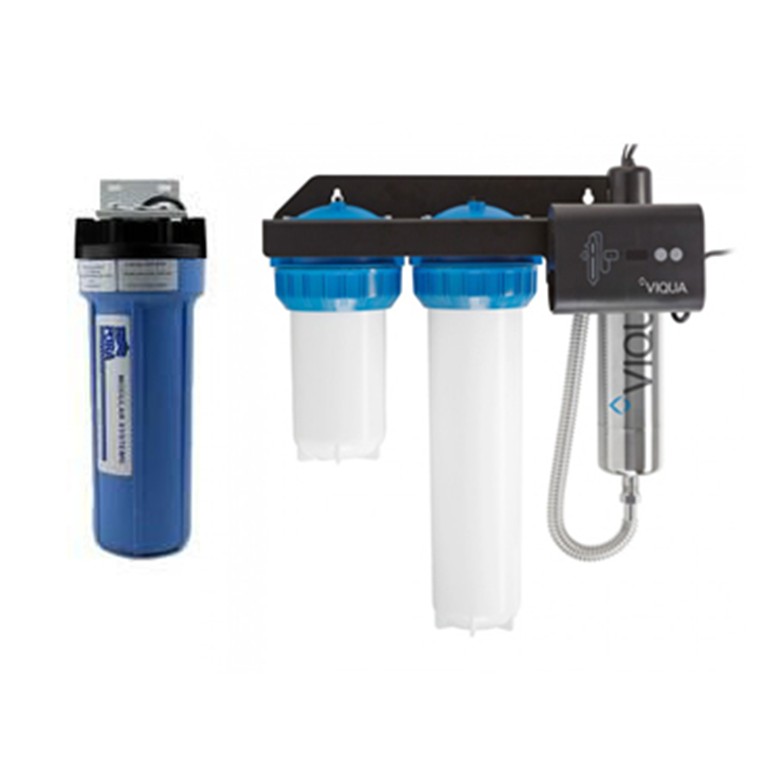
Every situation is different—and that’s where Aqua Science comes in. We engineer customized water treatment systems using the latest in ultraviolet water filtration system technology, combining top-tier components, system design expertise, and responsive technical support.
What’s Next in Portable Water Treatment?
UV-C LED is just the beginning. With smart sensors, solar integration, and AI-based water quality monitoring on the rise—
Are you ready for the next evolution in water security?
Frequently Asked Questions
1. Do UV light filters really work for water?
Yes, UV light filters are highly effective for water disinfection. A ultraviolet water filtration system uses UV-C light to destroy 99.99% of harmful pathogens like bacteria, viruses, and protozoa—making it ideal for homes, off-grid setups, and emergency water treatment without chemicals.
2. What is an ultraviolet water filter?
An ultraviolet water filter system uses UV-C light to treat water by targeting the DNA of microorganisms. Unlike traditional filters, it doesn’t remove particles but neutralizes harmful pathogens, making it perfect for use with pre-filtered or clear water in residential, commercial, or portable applications.
3. How does a UV water filtration system work?
A ultraviolet water filtration system works by exposing flowing water to UV-C light at a specific wavelength, disrupting the DNA of bacteria, viruses, and other pathogens. This process renders them inactive and unable to reproduce, offering safe, chemical-free water disinfection on demand.
4. How effective is an Ultraviolet Water Filter System?
An ultraviolet water filter system is over 99.99% effective against waterborne microorganisms. It offers instant, chemical-free disinfection, especially when paired with pre-filtration. Its low maintenance and high reliability make it ideal for homes, field use, and emergency water disinfection scenarios.


Validate your login