





Let’s kickstart this post with a couple of queries that most people have - Is your well system quietly draining more than just water? What if your pumping method is unknowingly disrupting the long-term water balance beneath your feet? It’s time to answer these questions.
The growing demand for groundwater means your submersible well pump system isn’t just about extraction—it’s about responsible extraction. Whether you're managing a residential well, a commercial water system, or municipal supply, sustainable groundwater withdrawal is no longer optional—it's essential.
Why Should You Rethink Your Water Extraction Method?
If you're still operating without real-time monitoring or yield-based controls, your water system may be doing more harm than good.
Here’s what’s at stake:
● Over-pumping reduces aquifer levels, leading to irreversible land subsidence.
● Inefficient pumping systems increase your operational costs and carbon footprint.
● Lack of water balance management causes supply-demand mismatches, risking future water availability.
You're not just pumping water—you're managing a finite resource.
How Can You Reduce Your Water Footprint Using Submersible Pumps?
Let’s look at proven strategies that not only optimize your system’s performance but also protect your aquifer.
● Choose the Right Submersible Pump for Sustainable Yield
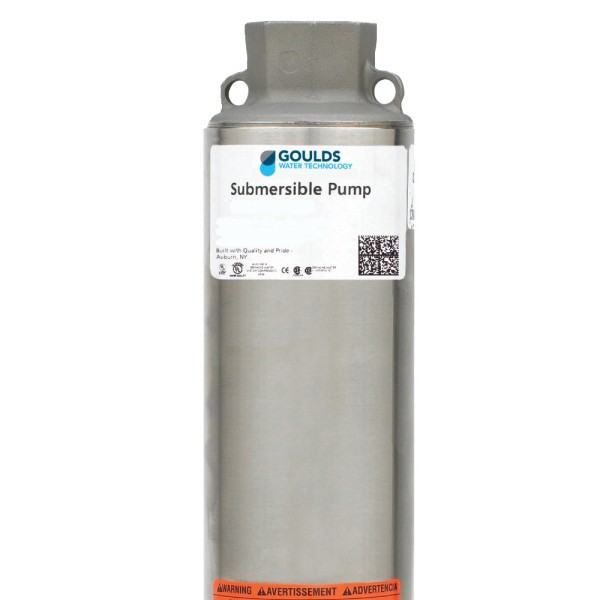
A submersible well pump is designed to deliver water efficiently from deep wells. But selecting the right capacity—matched to your sustainable yield—is crucial. Oversized pumps may lead to aquifer stress, while undersized ones can burn out from overwork.
Ask yourself: Is your current pump aligned with your actual water needs?
● Use Pumping Efficiency to Drive Water Conservation
Improving pumping efficiency directly reduces your energy and water footprint. Variable frequency drives (VFDs), high-efficiency motors, and pressure tanks can help you adjust flow rate based on actual demand.
|
Pump Efficiency Upgrade |
Estimated Water Savings | Energy Reduction |
|
VFD Installation |
Up to 25% | Up to 30% |
|
Motor Optimization |
10-15% | 15-20% |
|
Flow Rate Control |
Up to 20% | 10-15% |
Are You Monitoring for Sustainable Well Operation?
Real-time sensors, telemetry systems, and automated shut-offs prevent over-pumping and dry-running—two of the most common threats to well sustainability. These tools help maintain water table levels and ensure long-term viability.
Truth is: If you’re not measuring, you’re guessing.
With modern SCADA systems and flow meters, you gain actionable insights into drawdown, recovery, and recharge rates—making water balance management a smart, data-driven process.
What About Recharge? Are You Giving Back to the Groundwater?
Natural recharge is no longer fast enough to keep up with human extraction. Implementing recharge strategies like:
● Infiltration basins
● Managed aquifer recharge (MAR)
● Treated water reinjection
...can help you restore equilibrium.
Sustainable water systems aren’t just about what you take—they’re about what you return.
Don’t Forget the Submersible Well Pump Wire
While often overlooked, the quality and sizing of the submersible well pump wire directly impacts system safety and energy efficiency. Undersized or poor-grade wiring can cause voltage drops, overheating, and pump failures. Use only premium-grade, properly rated wire designed for deep-well environments.
Is Your Water System Future-Proof?
Sustainable groundwater withdrawal requires a forward-looking approach. For commercial buildings, agricultural operations, or private homeowners, proactive system upgrades make a difference. This includes:
● Low-flow fixtures and distribution efficiency
● Leak detection systems
● Preventive maintenance schedules
Your water system should evolve with demand—while respecting nature’s limits.
Need Expert Support?
Aqua Science combines premium water system design with hands-on technical support to deliver advanced, sustainable solutions tailored to your site. Whether it's pump selection, efficiency upgrades, or full-system optimization, we're here to cater to all your water solutions related demands.
Takeaway: You Can Pump Smarter, Not Harder
Reducing your water footprint isn’t just a technical challenge—it’s a responsibility. With the right tools, insights, and expert support, you can transform your submersible well pump system into a sustainable, high-performance asset.
The future of groundwater depends on the choices you make today. Why not choose smarter, cleaner, and more efficient water extraction?
Let’s talk water solutions that make sense—for your system, your savings, and your surroundings.
Frequently Asked Questions
1. How does a submersible well pump work?
A submersible well pump operates by being fully submerged in water, pushing water to the surface using an electric motor and impellers. It’s efficient for deep wells, delivering consistent pressure while minimizing energy loss due to its location below the water level.
2. How long does a submersible well pump last?
A submersible well pump typically lasts between 10 to 15 years, depending on water quality, usage, and maintenance. Regular inspections and proper installation can extend its lifespan, ensuring efficient groundwater extraction over the long term.
3. What types of wires are used for submersible well pumps?
Submersible well pumps require durable, waterproof wires like two-wire or three-wire configurations with thermoplastic or rubber insulation. These wires are designed to handle moisture, voltage fluctuations, and long cable runs inside deep wells, ensuring safety and consistent pump operation.
4. What is submersible well pump wire?
A submersible well pump wire is a specialized electrical cable designed to power submersible pumps installed deep underwater. It’s built with heavy-duty insulation to resist moisture, abrasion, and high pressure, ensuring reliable electrical connection and long-term pump performance in harsh well environments.


Validate your login