



What if one small failure halted an entire pharmaceutical production line? Imagine a high-precision batch process—suddenly disrupted due to unnoticed pump wear or fluid contamination. The outcome? Downtime, lost revenue, and non-compliance. That’s why an advanced pump protector isn't just an option—it’s a necessity in pharmaceutical fluid handling systems. Let’s explore more on the same -
Why Precision Demands Protection?
Pharmaceutical manufacturing leaves no room for error. With ultra-pure fluid transfers and tight regulatory standards, every piece of equipment must function flawlessly. A high-grade pump protector acts as a safety net—shielding pumps from dry runs, cavitation, or sudden pressure drops that could compromise the process or contaminate the product.
Here’s why this matters more than ever:
● Even micro-contaminants can invalidate an entire batch.
● Damaged pumps can delay time-sensitive production schedules.
● Regulatory non-compliance can lead to shutdowns or penalties.
How Pump Protectors Safeguard Your Process
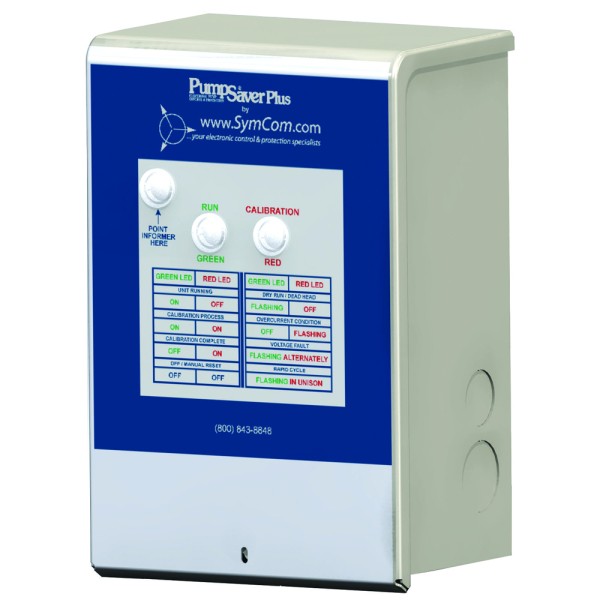
Pump protectors are more than just mechanical add-ons—they are smart safeguards. These devices monitor and respond to real-time fluid dynamics, ensuring that your system operates under optimal conditions.
Key Functions of a Pump Protector in Pharma Settings:
● Prevents Dry Run Damage
Automatically halts operations when fluid levels drop below a safe threshold.
● Maintains Flow Consistency
Ensures stable pressure and flow—critical for dosage precision and consistency.
● Reduces Mechanical Wear
Protects against unnecessary strain, extending pump lifespan and minimizing maintenance.
Here’s a quick comparison that shows why installing a pump protector is a no-brainer:
|
Feature |
With pump protector | Without pump protector |
|
Pump Damage Risk |
Low | High |
|
Downtime |
Minimal | Frequent |
|
Compliance Confidence |
High | Risk - prone |
|
Maintenance Frequency |
Reduced | Increased |
Still Relying on Manual Checks?
Many facilities still depend on manual inspections and guesswork to assess pump health. But in a sector where every second counts and standards are non-negotiable, is that a risk you’re willing to take?
Let’s face it:
● Manual checks can't detect internal pump degradation until it's too late.
● Real-time automated protection is faster, smarter, and more reliable.
● With today's advancements, ignoring automation means increasing your risks.
Compliance Starts With Control
Regulatory agencies like the FDA and USP require full traceability and validation of all fluid handling processes. That means your equipment must do more than just function—it must perform flawlessly, consistently, and verifiably. A pump protector becomes a silent sentinel—ensuring that every transfer meets your SOP and quality benchmarks.
Still wondering if it’s worth the investment?
We’ll show you how one overlooked pump failure led to over $100K in lost production and six weeks of investigation in a leading pharmaceutical unit.
Where Water System Design Meets Compliance
For water-intensive processes—like WFI (Water for Injection), CIP (Clean-in-Place), and buffer solution transfers—system design is everything. The wrong component placement or absence of safeguards can cause contamination, backflow, or bacterial growth.
Here’s how an advanced water systems service provider like Aqua Science steps in:
● Custom-engineered pump protector installations suited to your facility
● Expert system audits to identify hidden risks in your fluid handling
● Hands-on technical support for seamless compliance and operation
And don’t forget: The pressure washer pump saver also plays a key role in protecting pumps exposed to high PSI cleaning cycles during system sanitization. Protecting your pumps doesn’t stop at transfer processes.
Don’t Let a Minor Failure Become a Major Crisis
Pharmaceutical manufacturing needs precision-built systems with zero guesswork. Whether you’re building a new facility or upgrading an existing one, your pump protection strategy can make or break your compliance record.
We’ll soon reveal the three most overlooked installation errors pharma facilities make when integrating pump protectors—and how you can avoid them.
Think Clean. Think Compliant. Think Protected.
Aqua Science is here to meet your water systems challenges—offering expert design, premium products, and hands-on support tailored for pharmaceutical precision.
Because in your industry—every drop, every pump, and every process counts.
Protect What Powers Your Process. Every Drop, Every Time.
Frequently Asked Questions
- How to put a pump saver in a pressure washer?
Attach the pump saver to the water inlet and inject the fluid per instructions. This antifreeze-like solution protects internal seals during storage. Aqua Science recommends using this step for all seasonal storage to prolong pump life and prevent internal corrosion. - How to protect a pressure pump?
Prevent damage with proper filtration, regular maintenance, and pump savers. Avoid running dry or freezing. Aqua Science provides high-end pump accessories and system design support to ensure your pressure pump operates under optimal, protected conditions. - What is a pump saver for a pressure washer?
A pump saver is a solution that coats internal components, preventing corrosion and freezing during storage. It's essential for seasonal or infrequent use. Aqua Science advises using it with all high-performance pressure washers to extend lifespan and maintain reliability.


Validate your login