





PFOS (Perfluorooctane Sulfonate): Understanding This Persistent Chemical Contaminant
Key Takeaways
PFOS is a synthetic chemical used since the 1950s in firefighting foams, stain repellents, and non-stick coatings that persists in the environment and human body for years
Human biological half-life averages 8.67 years, meaning PFOS accumulates in blood and liver tissues with extremely slow elimination
Major manufacturers like 3M voluntarily phased out PFOS production in 2002, with the EU banning it in 2011 and Canada in 2013
PFOS contamination has resulted in over $18 billion in legal settlements by 2024 due to health risks including thyroid disease and developmental effects
Exposure occurs through contaminated drinking water, occupational settings like firefighting and ski waxing, and consumer products containing PFOS
PFOS represents one of the most challenging environmental health hazards of our time. This persistent organic pollutant has contaminated drinking water systems worldwide, accumulated in human tissues, and triggered billions of dollars in legal settlements. Unlike many toxic chemicals that break down naturally, PFOS belongs to the class of per and polyfluoroalkyl substances known as “forever chemicals” because they resist degradation for decades.
The Environmental Protection Agency has designated PFOS as a hazardous substance, reflecting growing scientific understanding of its adverse health outcomes. From firefighting foam contamination at military installations to widespread occurrence in tap water, PFOS contamination affects millions of people globally. Understanding this environmental health hazard assessment helps inform decisions about water safety, consumer products, and public health protection.
What is PFOS?
PFOS, or perfluorooctanesulfonic acid, is a synthetic organofluorine chemical with the molecular formula C8F17SO3H. This compound belongs to the broader family of pfas chemicals (per and polyfluoroalkyl substances), which are characterized by extremely strong carbon-fluorine bonds that make them resistant to environmental breakdown. PFOS and PFOA are both types of perfluoroalkyl acids, which are persistent in the environment and can accumulate in water, soil, and living organisms.
The chemical structure of PFOS consists of an eight-carbon chain where hydrogen atoms have been replaced with fluorine atoms, terminated by a sulfonic acid functional group. This unique arrangement creates a compound that repels both water and oil, making it valuable for industrial applications but problematic for environmental health. Perfluoroalkyl carboxylic acids, such as PFOA, differ from PFOS in their functional groups and environmental behavior, which affects their fate and transport in the environment.

As one of the most studied pfas molecules, PFOS demonstrates the characteristics that define fluorinated substances as persistent environmental contaminants. The strength of its carbon-fluorine bonds means that typical environmental processes like biodegradation, photolysis, and hydrolysis cannot break down the compound effectively.
PFOS differs from related compounds like PFOA (perfluorooctanoic acid) in its functional group - PFOS contains sulfonic acid while PFOA contains carboxylic acid. Both chemicals share similar environmental persistence and health concerns, leading the us epa to regulate them together as hazardous substances under recent environmental protection agency rules. Regulatory agencies often address the risks of pfoa and pfos together due to their similar properties and widespread detection in the environment.
Polyfluoroalkyl Substances (PFAS) and Their Relationship to PFOS
Polyfluoroalkyl substances, or PFAS, represent a large and diverse group of synthetic chemicals that have been widely used in industry and consumer products for decades. These chemicals are prized for their ability to resist heat, water, and oil, making them common ingredients in firefighting foams, water-resistant fabrics, and non-stick cookware. Among the many PFAS chemicals, perfluorooctane sulfonate (PFOS) stands out as one of the most extensively studied due to its persistence in the environment and its association with significant health risks.
PFOS is just one member of the broader PFAS family, but it has become a focal point for environmental protection agency regulations and public health discussions. Both PFOS and other polyfluoroalkyl substances share the troubling characteristic of being highly resistant to natural degradation, which means they can accumulate in drinking water, soil, and even the air. This widespread occurrence has led to growing concern about adverse health outcomes, including thyroid disease, developmental toxicity, and increased risk of certain cancers.
The Environmental Protection Agency has responded to these concerns by setting strict limits for PFAS and PFOS concentrations in drinking water and issuing guidelines to help minimize exposure. As scientific studies continue to uncover the health effects of these persistent chemicals, understanding the relationship between PFOS and the larger PFAS group is essential for making informed decisions about water safety, product use, and environmental health.
Chemical Structure and Properties of Perfluorooctane Sulfonic Acid (PFSA)
Perfluorooctane sulfonic acid (PFSA) is a synthetic compound that exemplifies the unique chemistry of perfluoroalkyl substances. Its molecular structure features a chain of eight carbon atoms, each fully bonded to fluorine atoms, capped with a sulfonic acid group. This configuration not only gives PFSA its remarkable stability and resistance to breakdown but also makes it highly effective at repelling both water and oil.
These properties have made PFSA, and specifically perfluorooctane sulfonic acid, a key ingredient in products like firefighting foams and non-stick coatings. However, the same chemical stability that makes PFSA useful in industrial applications also means it persists in the environment, leading to long-term contamination and bioaccumulation in living organisms. The Environmental Protection Agency has classified PFSA as a hazardous substance due to its potential health risks, including toxicity and the ability to accumulate in the human body over time.
The sulfonic acid group in PFSA is particularly significant, as it enhances the compound’s solubility in water and contributes to its environmental mobility. This means PFSA can travel through water systems, increasing the risk of exposure for both humans and wildlife. As a result, regulatory agencies have implemented guidelines and restrictions to limit the release of PFSA into the environment and to protect public health from its adverse effects.
Historical Uses and Applications
Since the 1950s, PFOS has been a key ingredient in numerous industrial products and consumer applications. The widespread use of this fluorinated substance began when manufacturers discovered its unique properties for creating water and stain-resistant products.
3M Corporation was the primary producer of PFOS, incorporating it as an active ingredient in Scotchgard stain repellents and numerous stain repellents for carpets, upholstered furniture, and textiles. The company’s manufacturing process made PFOS a crucial component in creating products that could repel water, oil, and dirt.
Industrial Applications
Industrial products containing PFOS included:
Firefighting foams: Fire fighting foams used PFOS to create aqueous film-forming foam that could suppress petroleum fires effectively
Hydraulic fluids: Aviation and automotive industries used PFOS in specialized lubricants
Metal plating solutions: Electronics manufacturing incorporated PFOS in chrome plating processes
Photographic chemicals: Film processing relied on PFOS for certain chemical reactions
Consumer Products
Consumer exposure occurred through:
Food packaging: PFOS provided grease resistance in fast-food wrappers and microwave popcorn bags
Non-stick cookware: Some coatings contained PFOS as a processing aid
Stain-resistant treatments: Carpets, clothing, and leather goods received PFOS-based protective coatings
Personal care products: Certain cosmetics and dental floss contained PFOS compounds
The voluntary phase-out of pfos production began in 2002 when 3M announced it would stop manufacturing the chemical. However, the persistent nature of PFOS means legacy contamination continues to affect the environment and human health decades after reduced production.
Health Effects and Risks
Scientific studies have established clear links between pfos exposure and various adverse health outcomes. The extensive research conducted by health experts and environmental agencies reveals concerning patterns of health risks associated with this persistent chemical. The severity of PFOS-associated health effects can vary based on factors such as exposure duration, concentration, and individual susceptibility.
PFOS bioaccumulates in protein-rich tissues, particularly the liver and blood, where serum concentrations can reach levels over 5,000 times higher than concentrations found in contaminated water. This bioaccumulation leads to potential human health effects that develop over time through chronic exposure. Disease registries are used to track and monitor health outcomes in populations exposed to PFOS, supporting research into long-term impacts and facilitating a better understanding of exposure-related risks.
Documented Health Effects
Research has identified several health parameters affected by PFOS exposure:
Thyroid Disease: Studies show increased risk of thyroid dysfunction, with higher concentrations of PFOS linked to altered thyroid hormone levels in both the general population and pregnant women.
Developmental Toxicity: Exposure during pregnancy can affect fetal development, leading to reduced birth weight and potential developmental delays in children.
Liver Effects: Animal studies and human epidemiological research indicate liver damage and altered liver enzyme levels in people exposed to elevated PFAS levels.
Immune System Impact: Reduced vaccine response in children and decreased immune function have been associated with PFAS concentrations in blood samples.
Cancer Risks: While human studies remain limited, animal studies suggest increased risk for certain types of cancer with long-term exposure.
Biological Persistence and Elimination
The human elimination half-life of PFOS averages 8.67 years, meaning it takes nearly nine years for the body to eliminate half of the PFOS present in tissues. This extremely long persistence contrasts sharply with other chemicals:
Species | Elimination Half-Life | Primary Elimination Route |
|---|---|---|
Humans | 8.67 years | Kidney excretion |
Monkeys | 200 days | Kidney and bile |
Rats | 7.5 days | Multiple pathways |
The prolonged retention in human tissues means that even small, repeated exposures can lead to significant bioaccumulation over time. Unlike many toxic substances that the body can process and eliminate relatively quickly, PFOS accumulates primarily in the liver and blood, creating long-term health risks.
Blood loss through menstruation or medical procedures can reduce serum concentrations, but for most people, elimination occurs slowly through kidney excretion and minor amounts in bile and feces.
Sources of PFOS Exposure
Understanding how people encounter PFOS helps identify protection strategies and risk reduction approaches. Exposure occurs through multiple pathways, affecting both the general us population and specific occupational groups.
Occupational Exposure
Certain industries present higher exposure risks due to direct handling of PFOS-containing materials or working in contaminated environments.
Firefighting Personnel: Firefighters face significant exposure through firefighting foams used to suppress fuel fires. Military installations and airports where fire fighting foams were routinely used for training show extensive soil and groundwater contamination.
Ski Wax Technicians: Professional ski wax applicators experience the highest reported pfas concentrations in workplace air. Heated glide wax containing fluorinated substances releases PFOS and related chemicals that workers inhale during application.
Electronics Manufacturing: Workers in semiconductor fabrication and metal plating operations encounter PFOS through industrial processes, particularly in facilities that used PFOS-containing plating solutions.
September 11 First Responders: Emergency workers at the World Trade Center site were exposed to PFAS chemicals through inhalation of dust and debris, contributing to respiratory health effects documented in follow-up studies.

Consumer Products and Environmental Sources
For the general population, exposure occurs through more indirect pathways:
Contaminated Water Systems: Over 200 million Americans live in areas where water system PFAS levels exceed environmental protection agency health advisories. Wells near military installations, airports, and industrial sites show particularly high contamination.
Food Contamination: Agricultural products grown in pfas contaminated water or soil can transfer chemicals to the food supply. Rice, coffee, and livestock products show detectable levels in some regions.
Consumer Products: Despite phase-outs, some older products and imported goods may still contain PFOS. Food packaging, particularly plant-based products like paper straws, sometimes contain detectable pfas levels.
Indoor Environment: Dust in homes and offices can contain PFOS from historical use in carpets, furniture treatments, and building materials. Skin contact and inadvertent ingestion of contaminated dust contributes to overall exposure.
Environmental Impact and Contamination
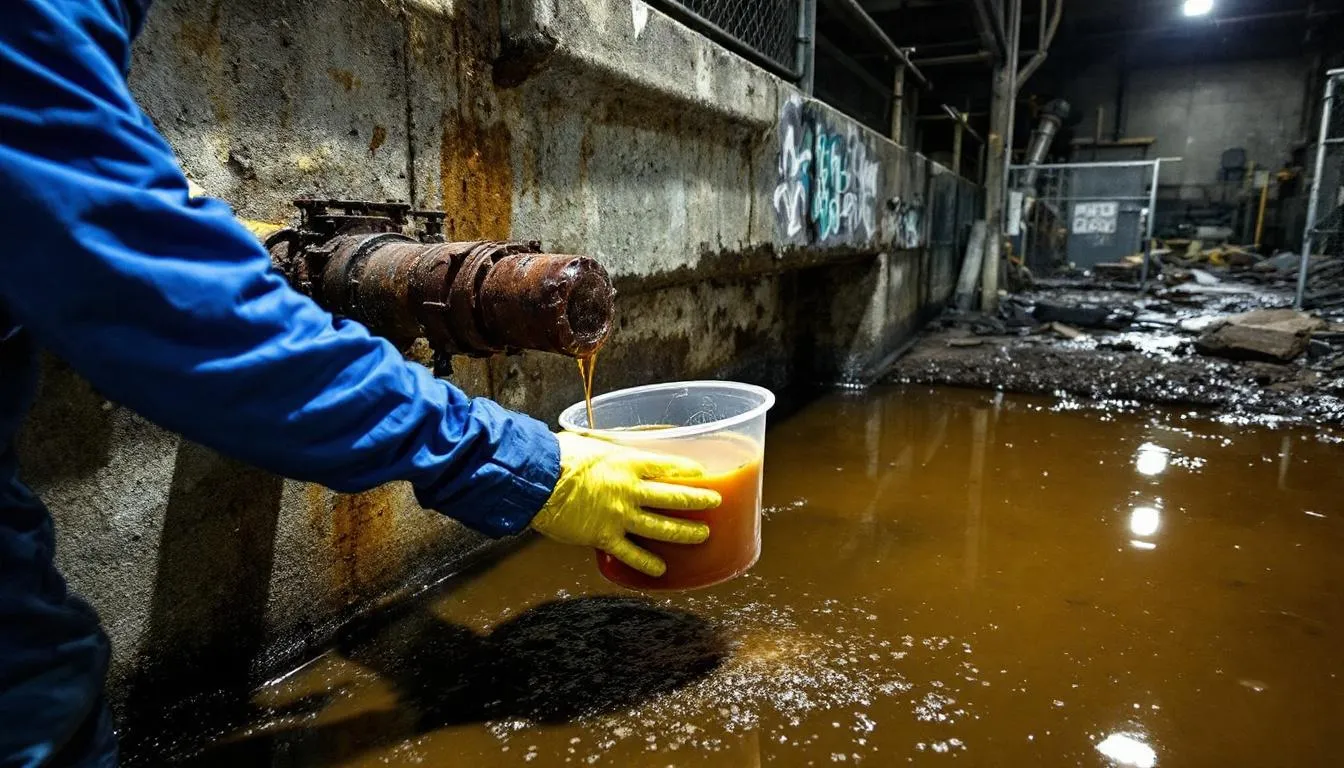
PFOS contamination represents a global environmental crisis affecting water, soil, and air quality worldwide. The persistent nature of this chemical means that decades of industrial use have created widespread environmental contamination that will persist for generations. Even lower concentrations of PFOS in water or soil can result in harmful levels in wildlife and humans due to bioaccumulation and biomagnification. Regulatory oversight and environmental monitoring, including the involvement of the environment agency, are crucial for assessing environmental risks and managing PFOS contamination.
Global Contamination Scope
Environmental monitoring reveals the extensive reach of PFOS pollution:
Groundwater: 31% of global groundwater samples exceed levels considered harmful to human health
Surface Water: Rivers, lakes, and coastal areas near industrial sites show elevated pfas concentrations
Rainwater: Precipitation worldwide contains PFOS levels that exceed both EPA and European Union drinking water health advisories
Remote Areas: Even Antarctica shows detectable PFOS levels, demonstrating the chemical’s ability to travel vast distances
The widespread occurrence of PFOS results from both point sources (specific contamination sites) and diffuse sources (atmospheric transport and product use). Transfer mechanisms include water-to-air movement through wave action, contributing to global atmospheric circulation of these persistent chemicals.
Environmental Persistence
Unlike biodegradable organic pollutants, PFOS resists natural breakdown processes. The chemical’s stability under environmental conditions means:
Soil Contamination: PFOS remains active in soil for decades, potentially leaching into groundwater
Aquatic Systems: Water bodies accumulate PFOS with minimal natural reduction over time
Bioaccumulation: Trophic magnification factors above one indicate increasing concentrations up the food chain
Impact on Wildlife
Environmental contamination affects wildlife through multiple exposure pathways. Marine mammals, birds, and fish near contaminated sites show elevated tissue concentrations. The bioaccumulation in aquatic food webs means that predatory species at the top of the food chain face the highest exposure levels.
Trifluoroacetic acid (TFA), a degradation product of some PFAS compounds, has become the most common environmental PFAS in aquatic ecosystems. While less toxic than PFOS, TFA’s prevalence indicates the long-term environmental legacy of fluorinated chemicals.
Regulations and Legal Actions
The regulatory landscape for PFOS has evolved rapidly as scientific understanding of health risks has grown. Government agencies worldwide have implemented increasingly strict controls on pfos use, manufacturing, and environmental release.
Timeline of Regulatory Actions
2002: 3M voluntarily ceased pfos production in the United States following early health studies
2009: PFOS listed under the Stockholm Convention on Persistent Organic Pollutants, restricting global production and use
2011: European Union banned PFOS use in most applications, allowing only limited technical uses
2013: Canada prohibited new uses of PFOS while allowing existing applications to continue
2024: United States Environmental Protection Agency designated PFOS as a hazardous substance under CERCLA (Superfund law)
Current Regulatory Status
The us epa has implemented comprehensive regulations addressing PFOS contamination:
Drinking Water Standards: Maximum contaminant levels set at 4 parts per trillion for public water systems, with monitoring requirements beginning in 2027
Significant New Use Rules (SNURs): Restrictions on manufacture, import, and processing of PFOS-related substances without EPA review
Hazardous Substance Designation: Facilities releasing one pound or more of PFOS within 24 hours must report to the National Response Center
Limited Allowable Uses: Only specific technical applications where no suitable alternatives exist, such as certain photographic processes and specialized industrial applications
International Approaches
Different regions have adopted varying approaches to PFOS regulation:
Region | Regulatory Approach | Key Restrictions |
|---|---|---|
United States | Hazardous substance designation | Drinking water limits, cleanup liability |
European Union | Complete ban with exemptions | Limited technical uses only |
Canada | New use restrictions | Existing uses allowed to continue |
California | Consumer product regulations | Cosmetics and food packaging restrictions |
Water System Settlements: Municipalities contaminated by industrial discharge have received significant settlements to fund water treatment infrastructure and health monitoring programs.
Testing and Detection Methods
Accurate measurement of pfas levels requires sophisticated analytical techniques due to the extremely low concentrations that can still pose health risks. Environmental and clinical laboratories use specialized methods to detect PFOS in water, blood, and environmental samples.
EPA Method 537
The Environmental Protection Agency’s standardized approach for drinking water analysis uses liquid chromatography/tandem mass spectrometry (LC-MS/MS). This method can detect PFOS at concentrations as low as 1.7 nanograms per liter, meeting regulatory requirements for monitoring public water systems.
Sample Preparation: Solid-phase extraction concentrates PFOS from water samples before analysis
Detection Sensitivity: Capable of measuring 25 parts per trillion, well below the 4 ppt regulatory limit
Quality Control: Multiple calibration standards and internal standards ensure accurate quantification
Clinical Testing Methods
Healthcare providers and researchers use specialized techniques to measure pfas in human samples:
Blood Analysis: High-performance liquid chromatography with negative ion electrospray tandem mass spectrometry (HPLC-ESI-MS/MS) measures serum concentrations
Liver Tissue: Specialized protocols analyze tissue samples for research purposes, though routine clinical testing focuses on blood measurements
Detection Limits: Clinical methods can detect PFOS levels in blood as low as 0.1 nanograms per milliliter

Environmental Monitoring
Environmental agencies monitor PFOS contamination through systematic sampling programs:
Groundwater Surveillance: Regular testing of wells near potential contamination sources
Surface Water Monitoring: Rivers and lakes undergo periodic assessment for pfas levels
Soil Testing: Sites with historical industrial use require soil analysis before development
Air Quality Assessment: Specialized sampling measures airborne PFOS concentrations in occupational settings
The analytical challenges of PFOS detection include potential interference from other fluorinated substances and the need for extremely clean laboratory conditions to prevent cross-contamination.
Mitigation and Treatment Options
Addressing PFOS contamination requires both prevention strategies and active treatment approaches. The persistence of this chemical means that complete elimination is challenging, but various methods can reduce exposure and environmental concentrations.
Workplace Protection
Industries that historically used PFOS-containing materials have implemented comprehensive protection protocols:
Exposure Monitoring: Regular air quality testing in facilities where fluorinated substances are present
Personal Protective Equipment: Respiratory protection and specialized clothing for workers handling potentially contaminated materials
Medical Surveillance: Routine blood testing for employees in high-risk occupations to monitor pfas levels
Maximum Allowable Concentration: German Research Foundation guidelines set 0.01 mg/m³ for inhalable fraction of PFOS in workplace air
Drinking Water Treatment Technologies
Public water systems and private facilities use several approaches to remove PFOS from contaminated water:
Granular Activated Carbon: Specialized carbon filters designed for PFAS removal, requiring frequent replacement due to strong chemical bonds
Reverse Osmosis: High-pressure membrane systems can achieve significant PFOS reduction but generate concentrated waste streams
Ion Exchange: Specialized resins target PFAS chemicals, though disposal of saturated resins remains challenging
Constructed Wetlands: Natural treatment systems show 46-65% removal rates for some PFAS compounds, though effectiveness varies by specific chemical and environmental conditions
Treatment Method | PFOS Removal Efficiency | Advantages | Limitations |
|---|---|---|---|
Activated Carbon | 90-99% | Proven technology | Expensive replacement |
Reverse Osmosis | 95-99% | High effectiveness | Energy intensive |
Ion Exchange | 85-95% | Selective removal | Waste disposal issues |

Personal Protection Strategies
Individuals can take steps to reduce pfos exposure:
Home Filtration: Install NSF-certified filters specifically designed for PFAS removal
Product Awareness: Avoid consumer products likely to contain fluorinated substances
Regular Testing: Test private wells annually in areas with potential contamination
Solid waste management remains a significant challenge, as incineration of PFOS-containing materials can release toxic chemicals into the atmosphere unless specialized high-temperature destruction is used.
Alternatives to PFOS and Their Applications
With mounting evidence of the health risks and environmental persistence of PFOS, the search for safer alternatives has become a top priority for manufacturers, regulators, and health experts. One of the most significant advancements has been the development of fluorine-free firefighting foams, which offer effective fire suppression without relying on hazardous substances like PFOS. These new foams are increasingly being adopted by airports, military installations, and fire departments worldwide, especially in regions governed by strict European Union regulations.
In addition to firefighting foams, alternatives to PFOS have been introduced in consumer products such as non-stick cookware, where ceramic and silicone coatings provide similar performance without the environmental and health concerns associated with PFOS. Other industries are exploring innovative materials and technologies to replace PFOS in stain repellents, hydraulic fluids, and food packaging.
While these alternatives show promise in reducing exposure to harmful PFAS chemicals, health experts caution that more research is needed to fully assess their safety and long-term environmental impact. Regulatory agencies, including the European Union, are actively encouraging the development and adoption of these safer substitutes, while also monitoring for any unintended consequences. The transition to PFOS-free products is a critical step in minimizing health risks and protecting both human health and the environment from the legacy of persistent toxic chemicals.
Conclusion and Future Directions
The challenge of PFAS and PFOS contamination remains a pressing issue for public health and environmental protection. While significant progress has been made in identifying health risks, regulating hazardous substances, and developing safer alternatives, the widespread occurrence of these chemicals means that continued vigilance is essential. Organizations like the Environmental Working Group play a vital role in raising awareness and advocating for stronger protections against PFAS contamination.
Looking ahead, more research is needed to better understand the full range of health effects associated with PFAS exposure, as well as to evaluate the safety of emerging alternatives. The Environmental Protection Agency and other regulatory bodies must remain proactive in monitoring PFAS levels, updating guidelines, and enforcing regulations to safeguard drinking water and public health.
Individuals can also contribute by staying informed, choosing products free from harmful PFAS, and using certified water filtration systems where necessary. Ultimately, addressing the risks posed by PFOS and related chemicals will require a coordinated effort from government agencies, industry, researchers, and the general population. By working together, we can reduce the impact of these persistent toxic substances and move toward a healthier, more sustainable future for all.
FAQ
How long does PFOS stay in the human body after exposure stops?
PFOS has an elimination half-life of approximately 8.67 years in humans, meaning it takes nearly nine years for your body to eliminate half of the PFOS present in your tissues. Complete elimination takes much longer - potentially decades for significant exposure. This is dramatically different from most other chemicals, which typically clear from the body within days or weeks. The slow elimination occurs because PFOS binds strongly to proteins in blood and liver tissue, and the body has limited mechanisms to break down or excrete these persistent chemicals.
What specific products should consumers avoid to reduce PFOS exposure?
While pfos production has been largely phased out since 2002, legacy contamination and imported products may still pose risks. Avoid older stain-resistant carpets and furniture (especially items treated before 2005), non-stick cookware manufactured before 2013, microwave popcorn bags and fast-food wrappers that feel greasy or waxy, and waterproof clothing or gear labeled with “fluoro” chemicals. Additionally, be cautious with imported textiles, leather goods, and cosmetics from regions with less stringent regulations.
Are there effective home water filtration systems that remove PFOS?
Yes, certain filtration technologies can effectively remove PFOS from drinking water. Look for systems certified by NSF International specifically for PFAS reduction under NSF/ANSI Standard 53 or 58. Reverse osmosis systems typically achieve 95-99% PFOS removal, while specialized activated carbon filters designed for PFAS can remove 90-99%. Standard carbon filters and pitcher-style filters are generally not effective for PFOS removal. Installation costs range from $200-2000, with ongoing filter replacement costs, but these systems can provide significant protection in contaminated areas.
Why did it take so long for PFOS to be regulated despite known health risks?
Corporate suppression of scientific research played a major role in delaying regulation. Internal documents revealed that companies like 3M and DuPont knew about PFOS toxicity since the 1970s but withheld critical health studies from regulators and the public. The chemical industry’s significant political influence, complex regulatory approval processes, and the time required for comprehensive epidemiological studies also contributed to delays. Additionally, the unique persistence and bioaccumulation of PFOS meant that health effects became apparent only after decades of exposure, making it difficult to establish definitive causal relationships until extensive research was completed.
What industries still legally use PFOS today and under what circumstances?
Very limited industrial uses remain legal under strict regulatory exemptions. The Stockholm Convention allows PFOS use only where no suitable alternatives exist, including certain photographic processes for film and paper production, specific metal plating applications in closed-loop systems, and hydraulic fluids for aviation where safety requirements cannot be met with alternatives. These exemptions require government approval, strict containment measures, and regular review for phase-out as alternatives become available. The goal is complete elimination of these remaining uses as replacement technologies are developed and validated.



Validate your login