


Ever wondered why your water bill keeps creeping up, yet your lawn still looks patchy and dry? The difference often lies between an ordinary watering setup and a premium irrigation booster pump system. Smart farmers, commercial property managers, and homeowners are switching to these advanced solutions to save money, cut water waste, and protect our precious water resources — and you can too. So, wondering how things are going to work? Let’s update you on the details right away -
What is a Booster Pump for Irrigation?
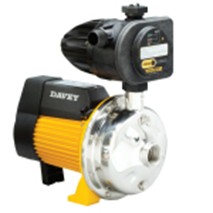
Picture this: you turn on your sprinkler system, but the water pressure just doesn’t reach the far corners of your landscape. That’s exactly where an irrigation booster pump system steps in. It’s a smart, practical upgrade that increases your existing water pressure, ensuring every sprinkler head sprays evenly, reaching every blade of grass.
Whether you’re a homeowner fighting low well pressure or a property manager caring for acres of green space, a booster pump keeps
40 Years of Partnership: Aqua Science & Goulds Xylem
40 Years of Partnership: Aqua Science & Goulds Xylem—A Legacy in Water Solutions
In the beginning
Forty years ago, two industry leaders—Aqua Science and Goulds Xylem—joined forces with a shared vision: to deliver the highest quality water pumping solutions to homes and businesses across the country. What began as a business partnership quickly grew into one of the most prestigious and enduring collaborations in the water industry, built on trust, innovation, and a relentless commitment to customer satisfaction.
From the outset,Aqua Science recognized thatGoulds Xylem’s reputation for engineering excellence and American craftsmanship was unmatched. Goulds Water Technology pumps, designed and assembled in Seneca Falls, New York, set the standard for reliability and durability in residential and light commercial applications. Their pumps are engineered to withstand the demands of daily domestic use, from providing steady water pressure
Imagine drinking water so pure, it's protected every second of the day. No chemicals, no guesswork—just clean, safe water on demand. That's exactly what an ultraviolet water steriliser can do for your system. Whether you're a homeowner with a well, a facility manager, or someone exploring better water safety—you’re about to discover a solution that’s smarter, faster, and more dependable than traditional methods.
What Exactly Is a UV Water Sterilizer?
At its core, a UV water sterilizer is a sleek, power-packed disinfection device that uses shortwave UV-C light to kill 99.99% of harmful microorganisms. Think bacteria, viruses, parasites—gone in seconds. This isn’t about trapping particles. It’s about neutralizing the very DNA of dangerous pathogens so they can’t reproduce or make you sick.
The process is fast, effective, and chemical-free. Water flows through a stainless steel chamber where it’s exposed to high-intensity UV-C light. No taste. No smell. Just clarity and confidence.
We promise you this—once you experience the power of a high-performance water hose booster pump, you’ll never look at outdoor cleaning the same way again. Whether you're rinsing your driveway, refreshing your patio, or deep-cleaning your siding, this upgrade turns an ordinary hose into a cleaning powerhouse.
You don’t need a bulky, gas-powered pressure washer. With a bold, energy-efficient water hose booster pump, you get high-pressure performance with less hassle—right from your garden hose. Let us update you with the details -
Why Settle for Low Pressure? Upgrade to Real Power
Are your outdoor chores dragging on because your hose can't keep up? Standard water pressure often falls short when it comes to tough cleaning jobs. But with a water hose booster pump, you instantly boost your flow rate—giving you the pressure you need without risking damage or noise like a traditional pressure washer.
This small yet mighty system connects directly to your existing water line. And guess what?
Why is your water pump running too often? Why is the water pressure in your home dropping suddenly? Could it be a tiny switch causing a big problem?
If you rely on a private well, the pressure switch for well pump is more than just a part – it’s the system’s brain. It tells your pump when to turn on, when to rest, and how to keep your water flowing steadily. A faulty pressure switch can mean dry faucets, pump burnout, and inconsistent pressure throughout your home or facility.
Let’s unpack how this small device plays such a big role—and how you can make sure you choose the right one.
What Is a Pressure Switch and How Does It Work?
Think of the pressure switch as your system’s intelligent control. It monitors the water pressure in your tank and decides when the pump should kick on or off. Here’s how it works:
● When water pressure in the system drops below the "cut-in" setting (say, 30 psi), the switch activates the pump.
Ever noticed staining on your fixtures, foul-smelling water, or sudden equipment failures? These are not just annoying—they’re signs of poor water chemistry. Whether you manage a commercial building, run a municipal plant, or maintain a residential well system, not controlling your water’s chemical balance can lead to a chain of expensive, hazardous issues. That’s where a chemical feeder becomes your most trusted line of defense.
In this post, we will update you on the killer threats that are lurking around, and the range of positives that these feeders bring to the forefront.
The Silent Threats of Poor Water Chemistry
When water isn’t treated with the right mix of chemicals—at the right time—it begins to turn on your system. You may not see the damage immediately, but it’s working behind the scenes.
● Bacterial contamination can quickly spread, risking public health.
● Corrosion silently eats away at your pipes and pumps, reducing lifespan.
Essential Guide to Choosing the Right Well Pump for Your Needs
Introduction to Well Pumps, Submersible Pumps, and Types
Well pumps deliver water from underground sources to homes, including submersible pumps and deep well pumps for reliable water access.
There are three main types of well pumps: Shallow Well Jet Pumps, Convertible Well Jet Pumps, and Deep Well Submersible Pumps, each with unique characteristics. These pumps well are often categorized by their voltage, horsepower, and installation method to match specific water system requirements. Many well pumps use a pressure switch to regulate water delivery or system operation. Shallow well jet pumps and convertible well jet pumps are not submersible, making them suitable for specific applications.
Submersible pumps are ideal for deep water reserves, providing a reliable water supply and replacing traditional bucket and pulley systems.
Understanding the different types of pumps is crucial to ensure permission to access the right information
State agencies to begin PFAS testing & remediation in three northern Rhode Island neighborhoods Homeowners with private wells in targeted neighborhoods in Glocester, Burrillville and North Smithfield will have access to free water testing to screen for PFAS and if needed, funding for remediation through a new state-administered grant program that aims to address the toxic chemicals. The Rhode Island Department of Environmental Management has begun notifying those who qualify.
A well-designed water system requires a properly sized pressure tank to maintain stable water pressure and prevent damage to the well pump. The pressure tank stores water and air to regulate pressure and protect the well pump from damage, ensuring a reliable plumbing system. Understanding how pressure tanks work is crucial in determining the right size and type for your water system needs, including the pressure switch and air pressure. A pressure gauge is used to measure the tank’s air pressure, and the pressure switch setting is critical in controlling the pump’s operation.
Understanding Pressure Switch
The pressure switch is a critical component that controls the well pump’s operation, turning it on and off based on the pressure in the tank. The pressure switch setting determines when the pump turns on (cut-in pressure) and off (cut-off pressure), typically set between 30-50 psi, 40-60 psi, and 50-70 psi. A properly set pressure switch ensures
Is low water pressure holding your irrigation system back? If your crops aren’t getting evenly watered, you’re not just losing water—you’re losing yield. A booster pump for water pressure might be the expert solution you didn’t know you needed. Let’s break down how these pumps turn underperforming systems into high-efficiency setups.
Why Consistent Water Pressure is Non-Negotiable?
In agriculture, every drop counts. Whether you’re irrigating rows of leafy greens or maintaining turf on a large estate, uneven water delivery can lead to dry spots, overwatering, or plant stress. This is where water pressure booster pumps step in—not just to fix water flow, but to transform your irrigation performance from inconsistent to on-point.
With the right booster pump, you get:
● Steady flow rates across all zones
● Improved coverage for uniform crop hydration
● Optimized water use with lower operational costs
Validate your login