The store will not work correctly when cookies are disabled.
Join the Aqua Science Insiders Club
42 years of Expertise in Engineered Water Treatment and Well SystemsPrice Match GuaranteeLifetime WarrantyThe Largest Selection of Residential Filtration SystemsWell Water Components and SuppliesReplaceable FiltersComplete Water TestingIndustry’s Best BrandsExcellent Tech SupportWater Treatment ChemicalsCustom solutions designed to address your specific needsMost products ship the same day
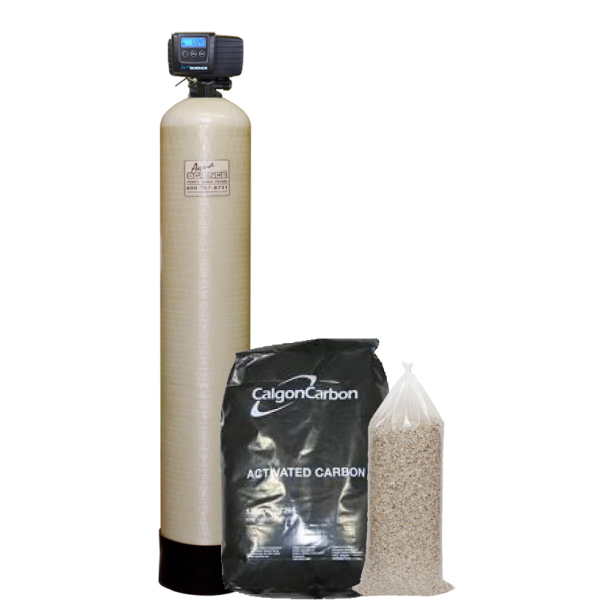
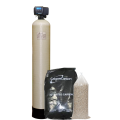
Granular activated carbon, or GAC, is made from high-carbon materials such as coconut shells or coal and activated to create an extremely porous surface area; a single gram can exceed 32,000 square feet. That large surface is what lets activated carbon filters remove dissolved chemicals by adsorption as water passes through the media, helping remove chemicals that affect taste and odor. Depending on the media configuration, GAC can also catch some sediment and physical particles, typically in the 5 to 50 micron range. GAC can be used in large media tanks for whole-house filtration or in cartridge-style gac filters and other point-of-use applications.
What GAC Removes and What It Doesn't
It does not effectively remove dissolved calcium, magnesium, lead, most heavy metals, fluoride, or nitrate, so reverse osmosis or other water treatment may be needed depending on your water quality goals. Carbon filtration improves taste and odor, but it is not designed to disinfect water; it has limits for most bacteria and viruses, and well water may need UV after filtration to protect filtered water quality.
System Sizing and Selection
Choosing the right system starts with testing and a review of your water quality, because contaminant type, concentration, and water use determine system size, media volume, and replacement frequency, and once target contaminants are identified, it is smart to look for certified components or systems. This page explains how a granular activated carbon filter system works, what components are typically included, where it fits in your plumbing, and what to plan for with installation, maintenance, and service. Proper sizing should account for tap water or well water conditions, plumbing layout, appliances, water pressure, and whether the system will be installed by a plumber. GAC also works best as part of a multi-stage filtration setup; for example, two filters in sequence can improve chemical removal and help protect the carbon bed.
Installation and Maintenance
All GAC systems need periodic maintenance because the media eventually loses capacity and must be replaced, while backwashing carbon filters automatically clean the media bed depending on the system design. Bacteria can grow in the media over time, which is why testing and service matter and why you should follow the manufacturer's recommendations. Properly sized backwashing carbon filters support strong water flow and usually require less frequent maintenance than cartridge filters, but they do not soften water.
Whole-House vs. Point-of-Use Filters
If you are comparing options, point-of-use filters treat water at the tap—such as under sink filters or faucet-mounted units for drinking and cooking—while this system is intended for whole-house entry treatment. Outside faucets are typically placed on bypass to protect carbon life.
















Validate your login