The store will not work correctly when cookies are disabled.
Join the Aqua Science Insiders Club
42 years of Expertise in Engineered Water Treatment and Well SystemsPrice Match GuaranteeLifetime WarrantyThe Largest Selection of Residential Filtration SystemsWell Water Components and SuppliesReplaceable FiltersComplete Water TestingIndustry’s Best BrandsExcellent Tech SupportWater Treatment ChemicalsCustom solutions designed to address your specific needsMost products ship the same day
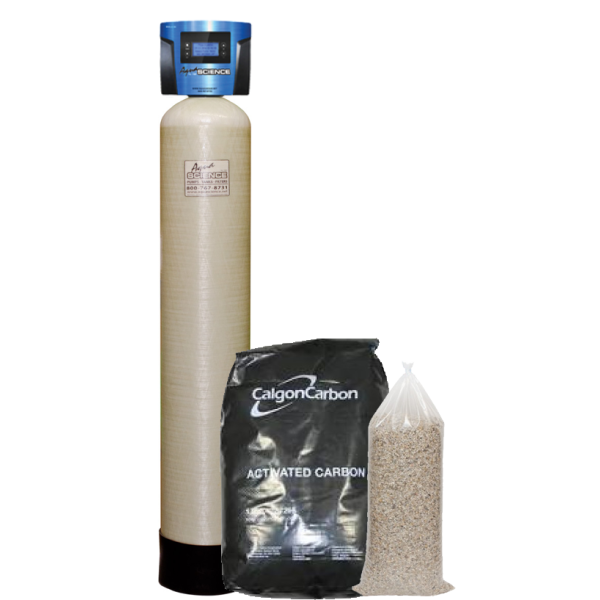
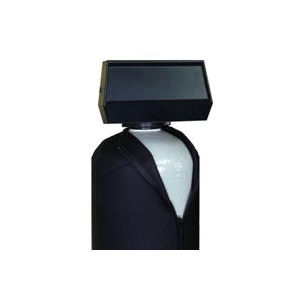
Whole House Granular Activated Carbon Filter System for Hydrogen Sulfide Removal with Aqua Science AIO Digital Control Valve
Helps to Remove Taste, Odor, Hydrogen Sulfide, Chlorine and Chloramines
Features and Benefits
Combines a fine pore structure and high catalytic activity for enhanced adsorption
Not impregnated
High hardness
Simple equipment design (no pumps or addition of chemicals required), though performance can vary with water conditions, including available oxygen when oxidation is part of the treatment approach
No safety concerns with exotherms or toxicity as with impregnated carbons
Wide applicability; can eliminate chemical addition and reduce the need for certain chemicals
This system includes:
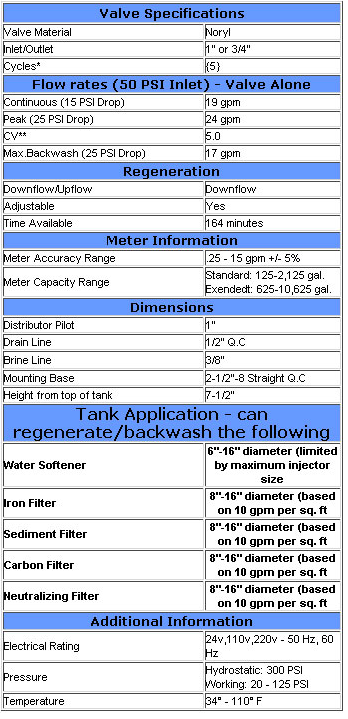
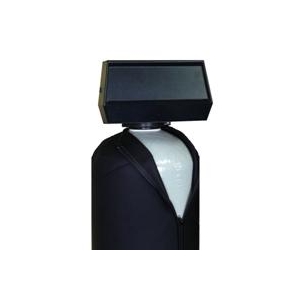
Aqua Science Digital Control Valve
1" by-pass
Granular Activated Carbon properly proportioned and manufactured with matched components for reliable operation
A granular activated carbon filter system is designed to remove taste, odor, hydrogen sulfide, chlorine, and chloramines from your water supply. Granular activated carbon filter systems are essential for improving water quality in residential, agricultural, and light commercial settings. This guide explains how these systems work, their benefits, and what to consider when choosing and maintaining one. It is intended for homeowners, property managers, and contractors seeking effective solutions for water treatment.
How Granular Activated Carbon Filter Systems Work
A granular activated carbon (GAC) filter system is a water treatment device that uses loose granules of activated carbon to adsorb contaminants from water as it passes through the filter.
What is Granular Activated Carbon?
Activated carbon is manufactured from source materials such as coconut shells or bituminous coal by heating them to high temperatures, creating microscopic pores and a massive surface area; GAC is NSF/ANSI 61 certified for water treatment. Some treatment processes depend on oxygen for oxidation, while GAC primarily works through adsorption. As water passes through the filter, contaminants are trapped on the carbon, which helps reduce chlorine taste, improve odor, deliver better tasting water, and support removal of some drinking water contaminants; if PFAS are a concern, they are often referred to as “forever chemicals.” This adsorption process generally works best when the system is sized for enough contact time between the water and carbon, and properly sized GAC filtration can maintain water pressure while allowing high flow rates.
Sizing, Installation, and Maintenance Considerations
It is very important that the treatment plan be prepared using water test results and expected water use in order to determine the correct size and components of the system. Water should be tested before choosing a treatment plan, especially where sediment, iron, manganese, staining, calcium, or magnesium are concerns, since the concentration range affects sizing and selection; pre-treatment may be needed because water softening can be affected by iron or manganese loading, and raw water should not contact air before treatment when dissolved iron or manganese are present. All treatment systems require proper installation and periodic maintenance, including routine GAC media replacement for maintaining long-term effectiveness and water quality over time. Backwashing carbon filters automatically clean the media bed, generally require less frequent maintenance than cartridge filters, and can improve water quality at household taps throughout the home.
Limitations of GAC Filter Systems
GAC does not disinfect bacteria, and reverse osmosis may be needed for some dissolved contaminants depending on water quality.



















Validate your login