The store will not work correctly when cookies are disabled.
Join the Aqua Science Insiders Club
42 years of Expertise in Engineered Water Treatment and Well SystemsPrice Match GuaranteeLifetime WarrantyThe Largest Selection of Residential Filtration SystemsWell Water Components and SuppliesReplaceable FiltersComplete Water TestingIndustry’s Best BrandsExcellent Tech SupportWater Treatment ChemicalsCustom solutions designed to address your specific needsMost products ship the same day
Taste, Odor, Hydrogen Sulfide, Chlorine and Chloramines
Features and Benefits of Whole House Filtration
Combines a fine pore structure and high catalytic activity for enhanced adsorption
Not impregnated
High hardness
Simple equipment design (no pumps or addition of chemicals required)
No safety concerns with exotherms or toxicity as with impregnated carbons
Wide applicability; can eliminate chemical addition
This System Includes
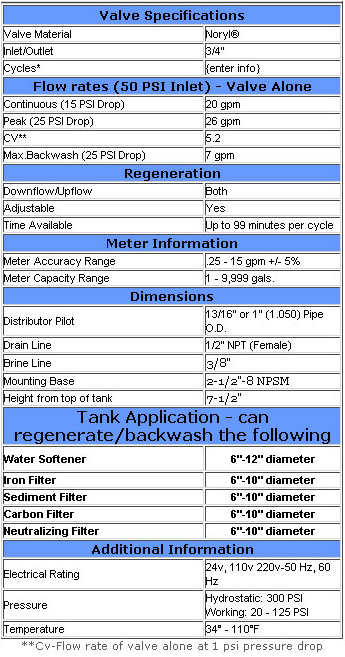
Fleck 5600SXT Digital Control Valve
1" stainless steel by-pass
1 Cu. ft of Granular Activated Carbon
For household use, this whole house system is installed at the main water line, so it treats all water entering the home like other whole house filters and house filters, functioning as a home water filter system for showers, sinks, and appliances. It operates without electricity and relies solely on household water pressure. Its granular media supports high flow rates with minimal pressure drop and helps maintain strong water pressure throughout the home. For installation, allow adequate space at the main line and use a qualified plumbing professional.
A granular activated carbon filter system uses granular activated carbon media to adsorb and remove contaminants from water, especially chlorine and organic pollutants. For specific equipment options, homeowners can review granular activated carbon water filtration systems. The following contaminants can be reduced or removed by GAC systems:
Chlorine (taste and odor)
Chloramines (with catalytic carbon media, as different carbon types are optimized for different contaminants)
Hydrogen sulfide
Many organic contaminants
Pesticides
Herbicides
Industrial solvents
Other chemicals, odors, and tastes
GAC filters are generally ineffective for removing heavy metals and microorganisms. They are also less effective at removing dissolved inorganic contaminants, so understanding key water treatment terms and definitions can help in selecting complementary technologies.
Granular activated carbon is made from raw organic materials such as coconut shells or coal that are high in carbon. Heat, in the absence of oxygen, is used to activate the carbon and create millions of microscopic pores in the granules, which is why these filters are sometimes referred to as “charcoal” filters.
Applications: Whole House vs. Point-of-Use
This media is widely used in water filtration and home water filtration system applications for homeowners, agricultural properties, and light commercial buildings that want better water quality from well water or city water, whether as a point-of-use unit at a single faucet (for example, an under-sink filter) or as a whole-house system at the main line. The activated carbon removes certain chemicals as water passes through the filter by trapping, or adsorbing, them in the GAC. Point-of-use units are installed just before the faucet, while a whole house or house water filtration system is installed at the water source or main line to treat water for sinks, showers, bathing, laundry, appliances, and each tap. In city water applications, standard GAC commonly handles chlorine taste and odor, while chloramine treatment usually calls for catalytic Centaur carbon media; in well water applications, sediment reduction and additional UV treatment may also be needed to address bacteria and provide microbial protection. Backwashing filters automatically clean the media bed, and backwashing systems self-clean on a schedule. By contrast, GreensandPlus water filtration systems require regular regeneration with potassium permanganate to maintain performance.
Installation and Sizing Considerations
It is very important that the water be tested, that the type, concentration, and—when iron may be present—the form of contaminants be identified, that dissolved inorganic contaminants may require treatment beyond GAC, and that average water use be known in order to determine the correct size and components of the system. Proper sizing is critical for filtration efficiency, water pressure, system performance, overall water quality, and protection for plumbing and appliances. Where iron is present, system design should also account for oxidation and, if a water softener is installed downstream, avoid exposing raw water to air beforehand. In some cases, a dedicated Birm iron and manganese filtration system may be appropriate. Iron concentrations above 0.3 mg/L can cause orange or rust staining on sinks, laundry, and fixtures, even when the issue is mainly aesthetic in drinking water. Elevated manganese in drinking water can also create water quality concerns and, at higher levels, potential neurological health effects. For more complex groundwater issues, media such as Katalox Light filtration systems for iron, manganese and hydrogen sulfide or oxygen chamber AIO systems for iron and sulfur removal may be considered alongside GAC. This guide explains how GAC systems work, what components and benefits to look for, how features such as the Fleck 5600SXT digital control valve fit into system design, and what to consider for sizing, contaminant levels, integration with other treatment equipment, and maintenance before choosing a house water filter system.
Maintenance and Media Replacement
Maintaining treatment systems is necessary for long-term performance. Eventually, the ability of the GAC to bind and remove chemicals is used up and the GAC needs to be changed. Media replacement should be based on use and water quality. Typical lifespan and maintenance intervals include:
Granular activated carbon filters: approximately 100,000 gallons or 6–12 months
Whole-house carbon systems: up to 1,000,000 gallons or around 10 years, depending on service conditions
Higher contaminant or metal levels typically require more frequent maintenance, and acidic well water may also call for pH neutralizers and acid neutralizing filters in addition to GAC.
Pairing with Other Treatment Systems
GAC is often paired with other treated water systems, such as reverse osmosis or UV, as part of a broader treatment solution for healthier water and wider coverage; selecting appropriate water filtration media for clean, fresh water can further tailor performance to specific contaminants, and removing chlorine ahead of RO can also help protect membrane life, and added disinfection may still be appropriate where microbial risks are a concern. Cleaner water also benefits household uses for pets and can help protect a water heater from sediment or related water quality issues.

















Validate your login