The store will not work correctly when cookies are disabled.
Join the Aqua Science Insiders Club
41 years of Expertise in Engineered Water Treatment and Well SystemsPrice Match GuaranteeLifetime WarrantyThe Largest Selection of Residential Filtration SystemsWell Water Components and SuppliesReplaceable FiltersComplete Water TestingIndustry’s Best BrandsExcellent Tech SupportWater Treatment ChemicalsCustom solutions designed to address your specific needsMost products ship the same day
Introduction to Water Supply Systems: Understanding the Well Pump
Water supply systems are the backbone of modern living, ensuring that clean and safe water is readily available for homes, businesses, and industrial applications.
At the heart of these systems is the process of extracting water from a reliable source, such as a well, and delivering it efficiently to where it’s needed. Submersible pumps, often referred to as submersible well pumps, play a crucial role in this process.
These pumps are designed to operate when fully submerged under water, making them highly effective for drawing water from deep wells. They feature proven components that withstand harsh environments, ensuring reliable performance even under challenging conditions.
When selecting a submersible pump, it’s important to consider key factors such as voltage, phase, and diameter to ensure the pump matches the specific requirements of your water supply system.
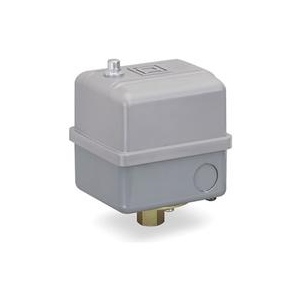
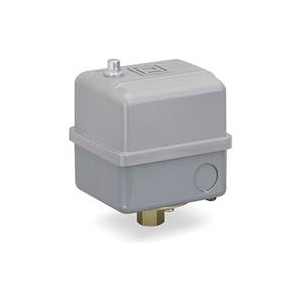
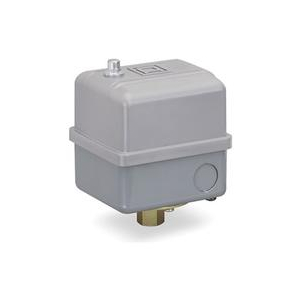
Continue by selecting the appropriate voltage and phase settings for your available power supply. Proper installation is essential to guarantee long-term performance and reliable access to water. A pressure switch is often used to automatically control the operation of the well pump, helping to maintain consistent water pressure and protect the system from damage.
By choosing the right submersible well pump and maintaining it correctly, you can ensure your water supply system continues to deliver clean water efficiently and safely. These pumps deliver efficient and reliable performance with no priming required, simplifying their operation and maintenance.
Overview of Water Supply
A dependable water supply is essential for a wide range of applications, from residential homes to large-scale industrial operations.
Submersible pumps and well pumps are at the core of these systems, ensuring efficient water movement and extraction from underground sources.
When planning a water supply system, it’s important to carefully choose the right submersible well pump by considering factors such as voltage, phase, and pump diameter. For example, a 4-inch diameter pump may be ideal for certain well sizes, flow rate, and flow requirements.
Understanding Water Extraction
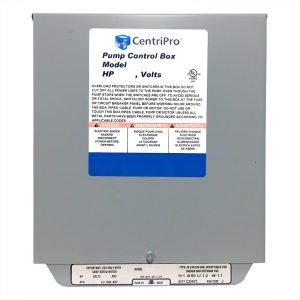
Water extraction is at the core of any well-based water supply system, and submersible well pumps are specifically engineered for this task. These pumps are designed to operate while fully submerged, allowing them to efficiently draw water from deep underground sources. The process begins with the careful installation of the submersible pump into the well, where it is connected to a motor that provides the necessary power for water movement. A control box is used to regulate the voltage and phase supplied to the motor, ensuring the pump operates smoothly and efficiently. Selecting the correct voltage and phase is crucial, as it directly impacts the performance and longevity of the pump. By understanding how submersible pumps, motors, and control systems work together, you can make informed decisions when choosing and installing submersible well pumps, ensuring reliable water extraction for your specific needs.
Pump Installation
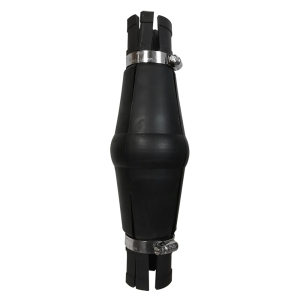
Proper installation is key to the longevity and performance of your pump. This includes aligning the pump and motor, verifying the correct voltage and phase, and ensuring all components are securely in place. Installing a check valve is essential to prevent backflow and protect the pump from potential damage. Built-in check valves in the discharge enhance the reliability of the pump, ensuring consistent operation. Before startup, always review the manufacturer’s instructions and confirm that all safety and protection measures are implemented to safeguard the pump and its motor. Regularly verifying the installation and conducting routine maintenance checks will help prevent unexpected issues and extend the life of your equipment.
Modern Water Supply System
In addition to the mechanical aspects, modern water supply systems often incorporate server-based control systems to manage pump operation.
It’s crucial to configure these systems to allow secure http access and grant permission only to authorized personnel.
By understanding the technical requirements and following best practices for installation, protection, and access control, you can ensure your submersible well pumps deliver reliable performance across all applications. Incorporating a pressure tank into the system helps maintain steady water pressure and reduces the frequency of pump cycling, further enhancing system reliability.
Types of Pumps
When it comes to water supply systems, choosing the right type of pump is essential for ensuring efficient and reliable water movement. There are several types of pumps available, each designed for specific applications and installation requirements. Submersible pumps, for example, are engineered to operate while fully submerged in water, making them ideal for well pumping applications where the pump must be placed deep underground. These submersible well pumps are known for their high efficiency and ability to handle significant water depths, providing consistent access to water for both residential and commercial uses.
Well pumps, a broader category, are specifically designed to extract water from wells and can be either submersible or non-submersible. Non-submersible well pumps are typically installed above ground and use suction to draw water up, while submersible well pumps push water to the surface from below. Centrifugal pumps, on the other hand, use a rotating impeller to create suction and are commonly found in industrial and commercial settings where large volumes of water need to be moved quickly.
Selecting the right pump involves considering several key factors, including voltage, phase, and diameter, to ensure compatibility with your power supply and well dimensions. The motor type and size also play a crucial role in the overall performance and efficiency of the pump. During installation, it’s important to verify that you have the necessary permission to access the well site and that all installation steps are followed precisely to prevent issues during startup.
Modern pump systems often benefit from digital resources and content delivery networks like Edgesuite, which can improve access to installation guides, troubleshooting tips, and product information. Reviewing the different series of pumps and their unique features can help you choose a solution tailored to your specific needs, whether for residential, commercial, or industrial applications. By selecting the correct type of pump and ensuring proper installation and configuration, you can enjoy reliable water supply and efficient operation for years to come.
Goulds Submersible Well Pumps
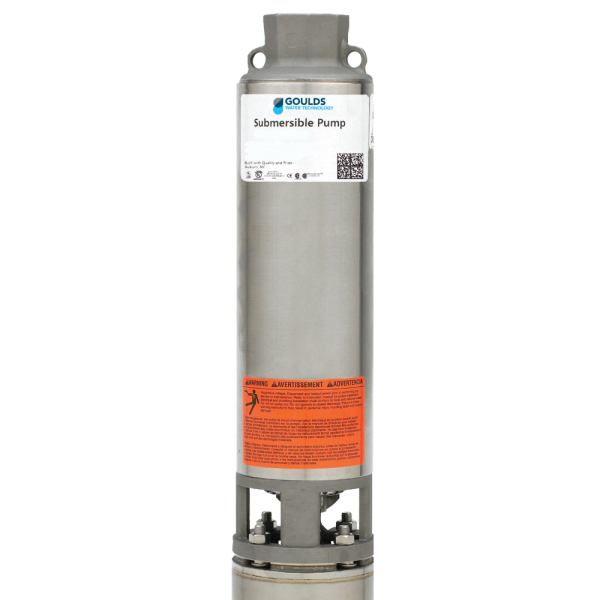
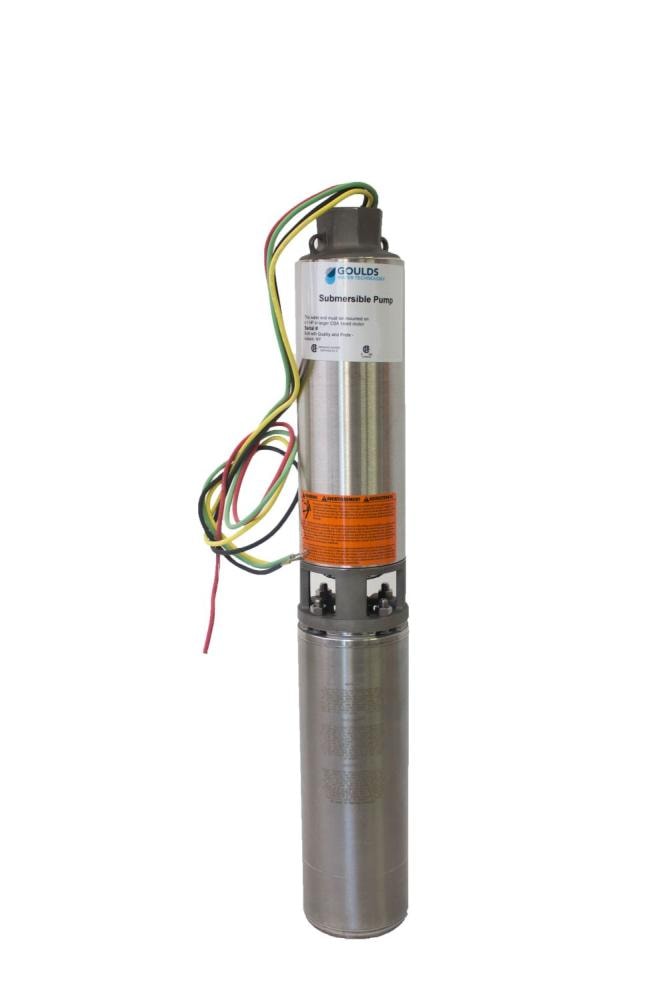
The Goulds/Xylem submersible well pump stands out as a robust and efficient solution for both residential and commercial water supply needs. Crafted with stainless steel, these pumps ensure durability and quiet operation, making them a reliable choice for various applications.
With its 4-inch diameter, this pump is engineered to deliver high flow rates, making it suitable for properties with significant water demands. When designing a system with this pump, considering the drawdown of the pressure tank is important to ensure adequate water supply between pump cycles.
Maintenance of Well Pumps
Regular maintenance is vital to keep your well pumps operating efficiently and to prevent unexpected breakdowns. A well-maintained pump ensures consistent water access and extends the lifespan of your equipment. Maintenance routines typically include inspecting the pump and motor for signs of wear, checking all electrical and mechanical connections, and verifying that the pump is running within the correct voltage and phase parameters. It’s also important to ensure that the diameter of the pump and associated components is appropriate for the well and piping system, as this can impact performance and longevity.
Access to the pump and motor is necessary for thorough maintenance, and in some cases, you may need permission to enter certain areas or access control panels. For systems equipped with remote monitoring, HTTP requests can be used to check pump status and control operations from a distance, adding convenience and improving response times. The server that manages these controls should be properly configured and maintained to guarantee reliable communication and access.
Protection measures, such as surge protectors, are essential to safeguard the pump and motor from electrical issues. When installing new or replacement parts, always verify that the installation is performed by qualified personnel to ensure safety and compliance with manufacturer guidelines. Environmental factors, such as extreme temperatures or humidity, should also be considered, as they can affect the performance and durability of your well pump.
Submersible well pumps require specialized maintenance due to their unique design and operating conditions. Regularly reviewing your maintenance schedule and performing routine checks can help identify potential issues before they escalate, ensuring your pump continues to deliver reliable service across all applications. By following best practices for maintenance and protection, you can ensure the continued efficient operation of your well pump, whether it’s used in residential, commercial, or industrial environments.
Common Issues and Troubleshooting
Even the most reliable well pumps can encounter issues over time, such as reduced water pressure, unexpected pump shutdowns, or electrical malfunctions. When troubleshooting these problems, it’s important to have proper access to the pump, motor, and control box. Start by verifying that the voltage and phase settings match the pump’s requirements, as mismatches can lead to performance issues or even damage. If you notice a drop in water pressure, inspect the pump and piping for blockages or signs of wear. Electrical issues may require checking connections and ensuring you have the necessary permission to access and adjust the control box. Always follow safety protocols when working with electrical components to protect both yourself and the equipment. By staying proactive and addressing issues promptly, you can ensure your submersible well pumps continue to deliver reliable performance and maintain consistent water access.
Optimizing Performance
To get the most out of your submersible well pumps, it’s essential to focus on both the technical and operational aspects of your system. Begin by reviewing the pump’s specifications to ensure it matches your application’s requirements, including the correct diameter for your well and piping system. Proper installation and startup procedures are vital—double-check that the voltage, phase, and motor protection settings are correctly configured. For systems that rely on server-based controls, optimizing http requests and leveraging technologies like Edgesuite can enhance communication between the pump and control server, improving overall system responsiveness. Regular maintenance, such as inspecting the pump and motor, cleaning components, and verifying permission settings, will help prevent downtime and extend the life of your equipment. Whether your application is residential, commercial, or industrial, choosing the right series of submersible well pumps and continuing to monitor performance will ensure efficient and reliable water extraction for years to come.
•Powered by CentriPro Motors The motors feature built-in lightning/surge protection. All have a 700# thrust bearing as compared to our major competitor's 300# and 650# ratings. The 1/2 - 3 HP, 3-wire and all 2-wire models have on- winding thermal overloads.
•Powered for Continuous Operation: All ratings are within the working limits of the motor as recommended by the motor manufacturer. The pump can be operated continuously without damage to the motor.
•Field Serviceable: Units have left hand threads and are field serviceable with common tools and readily available repair parts.
•Sand Handling Design: Our face clearance, floating impeller stack has proven itself for over 40 years as a superior sand handling, durable pump design.
•FDA Compliant Non-Metallic Parts: Impellers, diffusers, and bearing spiders are constructed of glass-filled engineered composites. They are corrosion resistant and non-toxic.
•Discharge Head/Check Valve: Cast 303 stainless steel for strength and durability. Two cast-in safety line loops for installer convenience. The built-in check valve is constructed of stainless steel and FDA compliant BUNA rubber for abrasion resistance and quiet operation.
•Motor Adapter: Cast 303 stainless steel for rigid, accurate alignment of pump and motor. Easy access to motor mounting nuts using standard open end wrench.
•Stainless Steel Casing:Polished stainless steel is strong and corrosion resistant.
•Hex Shaft Design: Six sided shafts for positive impeller drive.
•Engineered Polymer Bearings:The proprietary, engineered polymer bearing material is strong and resistant to abrasion and wear. The enclosed upper bearing is mounted in a durable Noryl® bearing spider for excellent abrasion resistance.

















Validate your login