The store will not work correctly when cookies are disabled.
Join the Aqua Science Insiders Club
41 years of Expertise in Engineered Water Treatment and Well SystemsPrice Match GuaranteeLifetime WarrantyThe Largest Selection of Residential Filtration SystemsWell Water Components and SuppliesReplaceable FiltersComplete Water TestingIndustry’s Best BrandsExcellent Tech SupportWater Treatment ChemicalsCustom solutions designed to address your specific needsMost products ship the same day
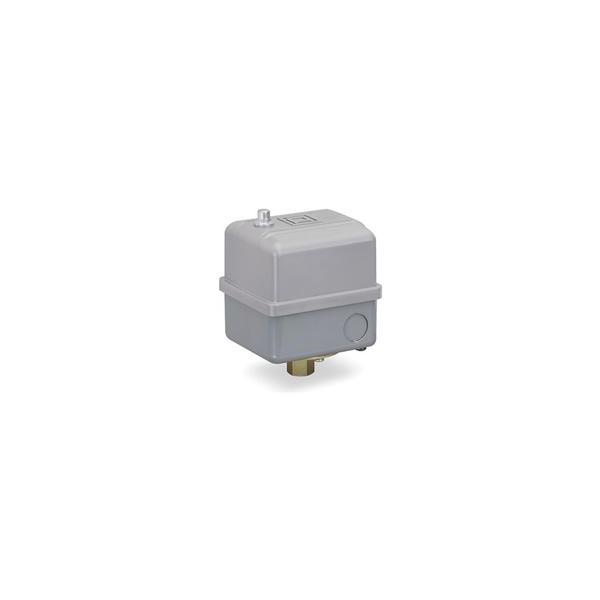
A well water pressure switch helps to control a well pump system which helps provide water to a household or business. The pressure switch has a spring on the inside that’s connected to electrical contacts. As time goes on, the spring becomes weak and the electrical contacts wear out which can make it seem that your pump isn’t working quite right.
It is used with submersible well pumps and jet pumps.
What does 20/40, 30/50, 40/60, 50/70, and 60/80 mean?
These numbers represent the pressures that your pressure switch is tuned to in the water line. The first number is what tells the pressure switch to send a signal down to your pump to turn on. The second number tells the pressure switch to send a signal down to your pump to turn off. You may hear the terms “cut-in pressure” and “cut-off pressure” = cut-in pressure / cut-off pressure.
When you open up a faucet the pressure drops. For example on a 40/60 pressure switch (most popular option) a home’s water pressure sits at 60 psi. When someone opens up a faucet, it goes from 60 psi down to 40 psi. The pressure switch senses the drop to 40 psi and that’s when it sends an electrical signal down to the pump to turn on. When you turn the faucet off, the pump will continue to pump until the pressure gets back to 60 psi and that’s when the pressure switch will send a signal to your pump to turn off.
Side Note: Your water pressure tank should be set to 2 psi below the cut-in pressure (low number). For example 40/60 psi, the tank should be set to 38 psi.
What does a Low Cut-Off Pressure Switch do?
A low cut off pressure switch turns the pump off in the event that the water pressure in your lines drops lower than the cut-in pressure (low number). Imagine that there was a leak or break in your water line. This would cause the pressure in your line to drop and your pump to kick on and stay on which could lead to flooding of your home or business. The low cut off pressure switch would turn the pump off if the pressure drops 10 psi below the cut-in pressure (low number). Think of it as a nice piece of protection.
What does a Heavy Duty Pressure Switch do?
It does the same thing as a regular non-heavy duty pressure switch except the build of it is a little more heavy duty and recommended to use with pumps that are 2.0 hp to 5.0 hp. Pumps that are 1.5 hp and below you can just use the regular non-heavy duty pressure switch.
How to Troubleshoot a Pressure Switch
Turn off the electricity to your pump and turn off the circuit breaker.
Remove the cover of the pressure switch.
If water is leaking from the switch, you’ll need a new switch.
If water is leaking under the switch’s nipple connection, tighten the nipple clockwise a little.
Check out the contact points and if the discs are black, pry it apart and feel the discs. If you feel small holes then the contacts are bad. Replace your switch.
Next turn the electricity back on. Be careful not to touch any part of the switch during this next test.
Look at the two sets of electrical contacts inside the pressure switch. If the contacts are open and there’s no water pressure, cycle the switch by pulling the contacts open. This might help loosen up the spring. If you see the switch close, kick the power back on. If the contacts stay open and there’s no pressure, then the switch is bad.
Turn on a water faucet and let your pump do a full cycle. If you see the switch open and close it might have just been stuck because of some built up debris. If the switch doesn’t close when the pressure drops then the spring is bad and you’ll need to replace the entire switch. If you see electrical sparks, turn off the power right away and replace your switch.









Validate your login